All Blog Posts
Engagement
Kumbh Experience Optimization Guide: How to Beat the Crowds
K
Kumbh AdminJuly 24, 20268 min readMaximize your pilgrimage experience with expert tips on timings, quiet ghats, and hidden sites.
Kumbh Mela Experience Optimization Guide: Best Time to Visit, Crowd Avoidance, Peaceful Ghats & Hidden Cultural Experiences
A visit to the Kumbh Mela is more than a pilgrimage—it's an unforgettable spiritual, cultural, and personal journey. With millions of pilgrims visiting during the festival, thoughtful planning can help you enjoy a more peaceful, meaningful, and comfortable experience.
This comprehensive Kumbh Mela Experience Optimization Guide shares practical strategies for choosing the best time to visit, avoiding heavy crowds, discovering quieter bathing areas, exploring cultural attractions, attending spiritual discourses, and making the most of every day during your pilgrimage.
Whether you're a first-time visitor or a returning devotee, these recommendations can help you balance spiritual goals with comfort, safety, and efficient travel.
Why Optimize Your Kumbh Mela Experience?
The Kumbh Mela spans several weeks, with attendance varying significantly depending on:
- Sacred bathing dates
- Time of day
- Religious processions
- Cultural events
- Weather conditions
- Weekends and public holidays
Planning your schedule allows you to:
- Spend less time in queues
- Walk more comfortably
- Explore additional attractions
- Enjoy peaceful moments of reflection
- Experience both spiritual and cultural activities
- Make better use of your time
Choosing the Best Time for a Holy Bath (Snan)
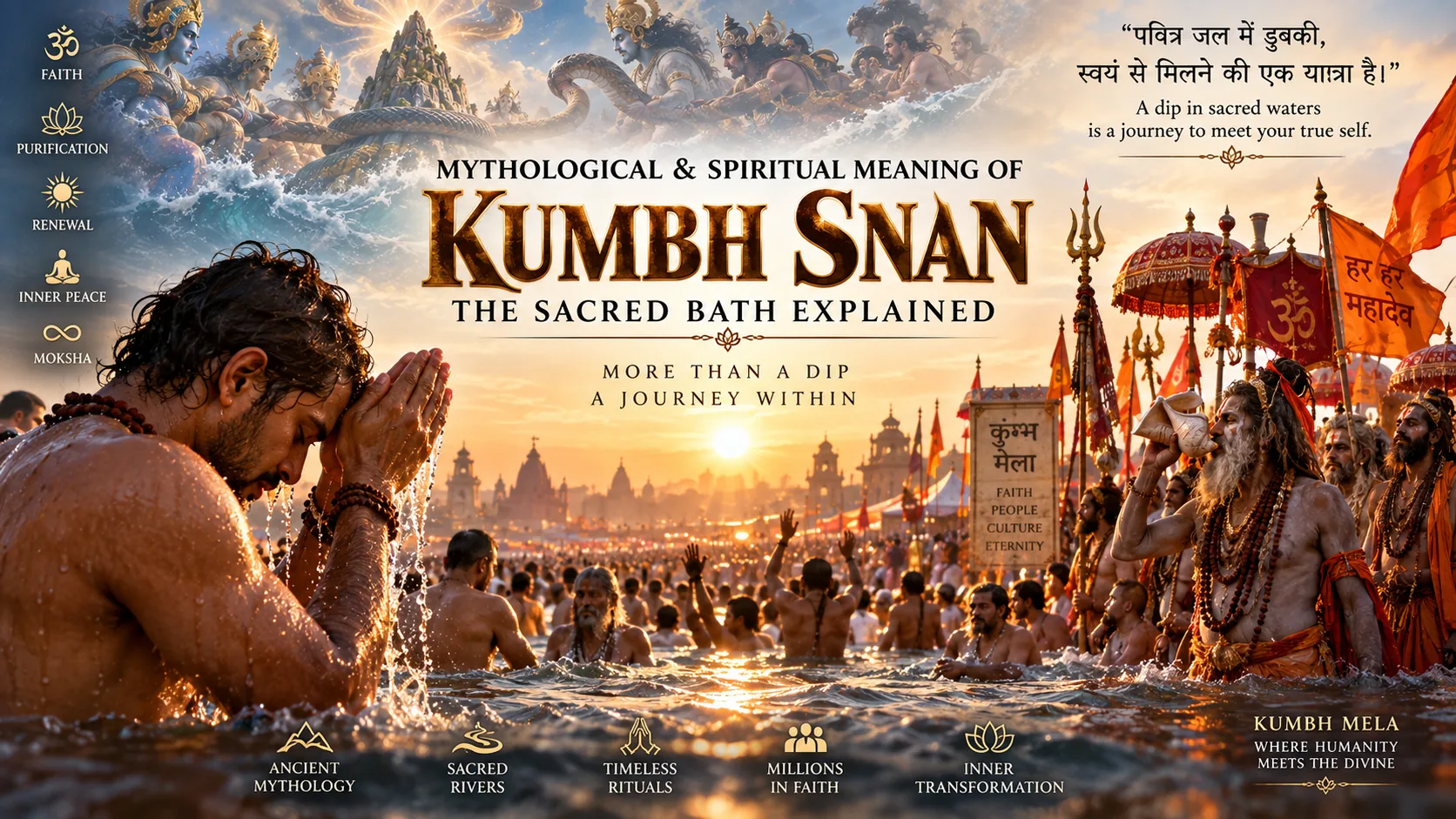
The sacred bath (Snan) is one of the most significant aspects of the Kumbh Mela.
Crowd levels, however, can vary considerably throughout the day and especially on major bathing dates.
Major Bathing Days
On auspicious bathing days such as Shahi Snan, attendance is exceptionally high. These dates are spiritually important for many pilgrims, but they also involve:
- Larger crowds
- Enhanced security measures
- Temporary traffic restrictions
- Longer walking distances
- Increased waiting times
If you plan to visit on these dates, arrive early, follow official guidance, and allow extra time for movement.
Visiting During Less Busy Periods
On regular festival days, many visitors find that crowd levels are generally more manageable, allowing additional time to:
- Participate in rituals
- Visit temples and ghats
- Explore cultural exhibitions
- Attend spiritual discourses
- Spend quiet time in reflection
Choosing a less crowded day can provide a more relaxed pilgrimage experience while still allowing meaningful participation.
Time of Day Considerations
Crowd patterns often change throughout the day.
Depending on your goals and official arrangements, you may prefer:
- Early morning for the traditional atmosphere and cooler weather
- Midday for easier movement in some areas
- Evening for cultural programs, devotional music, and illuminated riverfronts
Always follow official schedules, safety advisories, and any access restrictions announced by local authorities.
Finding Peaceful Areas for Reflection
Some bathing ghats and pilgrimage locations are especially popular and may become crowded during peak periods.
If you are looking for quieter moments:
- Explore areas recommended by local authorities.
- Visit during less busy hours where permitted.
- Ask official information centers about alternative visitor areas.
- Respect access restrictions and designated pathways.
Choosing quieter locations can provide opportunities for prayer, meditation, and contemplation while reducing time spent in crowded spaces.
Explore Beyond the Main Ghats
The Kumbh Mela extends far beyond its most famous bathing locations.
Many pilgrims enjoy visiting:
- Temples
- Ashrams
- Spiritual camps
- Cultural exhibitions
- Community service initiatives
- Educational displays
- Traditional markets
- Heritage sites
Exploring different parts of the festival provides a broader understanding of its cultural and spiritual richness.
Attend Spiritual Discourses (Pravachan)
Throughout the festival, many respected spiritual teachers and religious organizations host public talks and discussions.
These sessions often include:
- Hindu philosophy
- Yoga
- Meditation
- Bhakti traditions
- Scriptural teachings
- Ethics and values
- Question-and-answer sessions
Listening to different perspectives can enrich your pilgrimage experience.
Discover Cultural Programs
The Kumbh Mela is also a celebration of India's diverse cultural heritage.
Depending on the festival schedule, you may find:
- Classical music performances
- Devotional bhajans
- Traditional dance
- Folk music
- Cultural exhibitions
- Handicraft displays
- Educational seminars
- Heritage showcases
These events offer insight into the artistic and cultural traditions associated with the pilgrimage.
Visit Akhara Camps Respectfully
Many Akharas establish camps during the Kumbh Mela.
Where public access is permitted, visitors may observe:
- Daily spiritual routines
- Prayer ceremonies
- Meditation
- Traditional teachings
- Community activities
Always respect local customs, photography guidelines, and any restricted areas.
Balance Activity and Rest
The Kumbh Mela often involves long walking distances.
To stay comfortable:
- Take regular breaks.
- Stay hydrated.
- Eat nutritious meals.
- Wear comfortable footwear.
- Pace your daily schedule.
- Avoid trying to see everything in one day.
A balanced itinerary allows you to enjoy the pilgrimage without unnecessary fatigue.
Use Digital Tools for Better Planning
Modern digital resources can help simplify your visit.
The Kumbh Connect platform can assist with:
- Interactive maps
- Event schedules
- Crowd updates
- Navigation assistance
- Emergency information
- Nearby facilities
Checking updates before heading to busy areas can help you plan more efficiently.
Suggested One-Day Itinerary
Here's an example of a balanced day at the Kumbh Mela:
| Time | Suggested Activity |
|---|---|
| Early Morning | Prayer, meditation, or visit to a designated ghat |
| Morning | Explore temples, exhibitions, or cultural sites |
| Afternoon | Rest, meals, and visit quieter areas |
| Evening | Attend a Pravachan, devotional music program, or cultural performance |
| Night | Reflection, journaling, and preparation for the next day's activities |
Adjust your schedule based on official event timings and personal preferences.
Photography Tips
The Kumbh Mela offers countless opportunities for memorable photographs.
When taking photos:
- Respect people's privacy.
- Ask permission where appropriate.
- Follow photography rules in religious areas.
- Avoid obstructing pathways.
- Be mindful during ceremonies and prayers.
Respectful photography helps preserve the dignity of the event.
Tips for First-Time Visitors
If this is your first Kumbh Mela:
- Plan fewer activities each day.
- Wear comfortable clothing.
- Carry only essential items.
- Stay hydrated.
- Keep emergency contacts accessible.
- Follow official instructions.
- Allow extra travel time.
A flexible schedule often leads to a more enjoyable experience.
Watch Experience Optimization Videos
Crowd Planning & Ghat Timing Guide
Learn practical strategies for planning your day, understanding visitor flow, and making informed decisions based on official crowd management updates.
Watch Optimization Video: Crowd Planning & Ghat Timing Guide
Cultural Experiences & Spiritual Walkthrough
Discover cultural venues, spiritual discussions, heritage exhibitions, and other enriching experiences beyond the main pilgrimage routes.
Watch Optimization Video: Cultural Experiences Guide
Frequently Asked Questions (FAQs)
When is the best time to visit the Kumbh Mela?
The ideal time depends on your priorities. Major bathing days offer significant religious importance but attract larger crowds, while other festival days may provide a more relaxed experience.
Can I avoid large crowds?
While crowds are an integral part of the Kumbh Mela, visiting during less busy periods, following official crowd updates, and planning your schedule carefully can help improve your overall experience.
What else can I do besides taking the holy bath?
Visitors can attend spiritual discourses, explore temples and Akharas, enjoy cultural performances, visit exhibitions, and learn about India's rich religious heritage.
How much walking should I expect?
Walking distances vary depending on your itinerary, accommodation, and crowd conditions. Comfortable footwear and regular breaks are recommended.
Is the Kumbh Mela suitable for cultural tourists?
Yes. In addition to its spiritual significance, the Kumbh Mela offers opportunities to experience Indian philosophy, music, art, architecture, traditions, and cultural heritage.
Explore More Kumbh Connect Resources
Plan a richer pilgrimage with these helpful resources:
- Interactive Map: /map
- Events Calendar: /events
- Culture, Traditions & Stories Guide: /blogs?slug=culture-traditions-stories-guide
Final Thoughts
The Kumbh Mela offers much more than a single ritual—it is a living celebration of spirituality, culture, history, and community. By planning thoughtfully, balancing your schedule, exploring beyond the busiest locations, and participating in cultural and educational activities, you can create a pilgrimage that is both meaningful and memorable.
Whether your goal is spiritual reflection, cultural discovery, photography, or learning, a well-planned visit allows you to appreciate the extraordinary richness of one of the world's greatest gatherings.
Kumbh Mela Experience Optimization Guide | Best Time to Visit, Crowd Tips & Cultural Experiences
Optimize your Kumbh Mela pilgrimage with expert tips on the best time to visit, crowd management, peaceful areas, spiritual discourses, cultural programs, and practical travel planning.
Kumbh Mela Experience Optimization Guide
- Kumbh Mela Travel Tips
- Best Time to Visit Kumbh Mela
- Kumbh Crowd Management Tips
- Peaceful Ghats Kumbh
- Kumbh Itinerary Guide
- Kumbh Cultural Experiences
- Spiritual Discourses Kumbh
- Pravachan at Kumbh Mela
- Akhara Camps Guide
- Kumbh Planning Tips
- First-Time Kumbh Visitor
- Kumbh Travel Strategy
- Religious Tourism India
- Kumbh Sightseeing Guide
- Pilgrimage Planning India
- Kumbh Meditation Experience
- Kumbh Connect Guide
- Kumbh Festival Activities
- Kumbh Visitor Experience
- Smart Kumbh Travel Guide
Enhance Your Pilgrimage Experience
Mobile App
Read Kumbh Guides on Mobile
Download the Divya Kripa to read all 19 guides offline, receive real-time snan alerts, and access GPS-enabled navigation on the ground.
Download AppAI Assistant
Personalized Planner & Chatbot
Access your Kumbh Planner AI Assistant to receive tailored ritual advice, customized itineraries, and instant answers to spiritual questions.
Try AI PlannerRelated Articles
Loading discussion & reviews...