All Blog Posts

Awareness
Kumbh Mela Key Terminology: Snan, Akhara, Sangam & More Explained
K
Kumbh AdminSeptember 10, 20264 min readLearn key Kumbh Mela terms like Snan, Akhara, Sangam, and more. A beginner-friendly glossary to understand Kumbh Mela easily.
Introduction: Understanding Kumbh Starts with Its Language
If you’ve ever searched:
- “What is Shahi Snan in Kumbh?”
- “Meaning of Akhara in Kumbh Mela”
- “What is Sangam in Kumbh?”
—you’ve already realized something important:
👉 Kumbh Mela has its own vocabulary.
To truly understand the experience, you need to understand the key terms used during Kumbh.
This guide simplifies the most important terminology so that:
- First-time visitors feel confident
- Readers understand what’s happening around them
- You don’t feel lost in the scale of the event
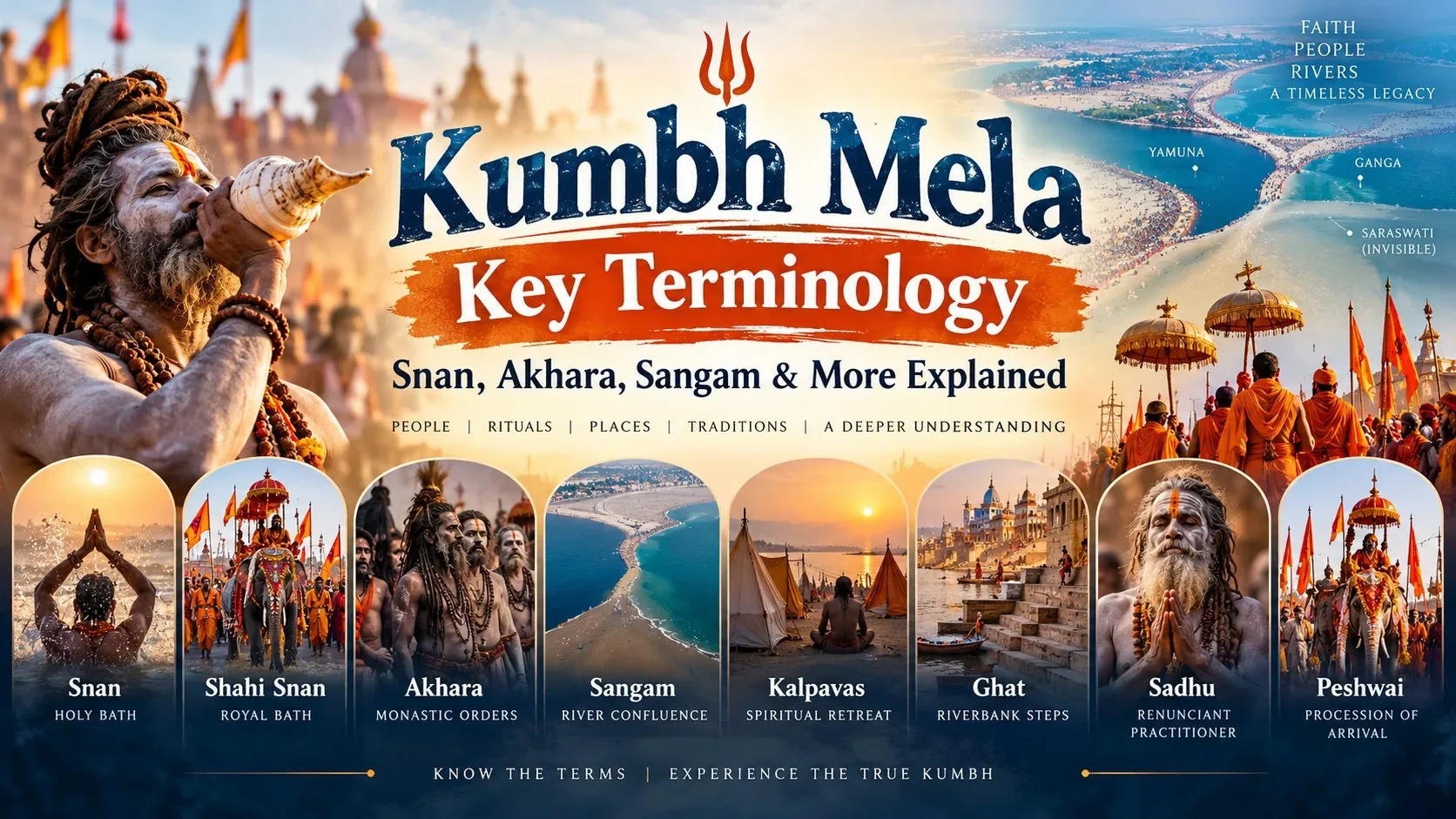
Quick Overview of Key Terms
Here are the most commonly used Kumbh terms:
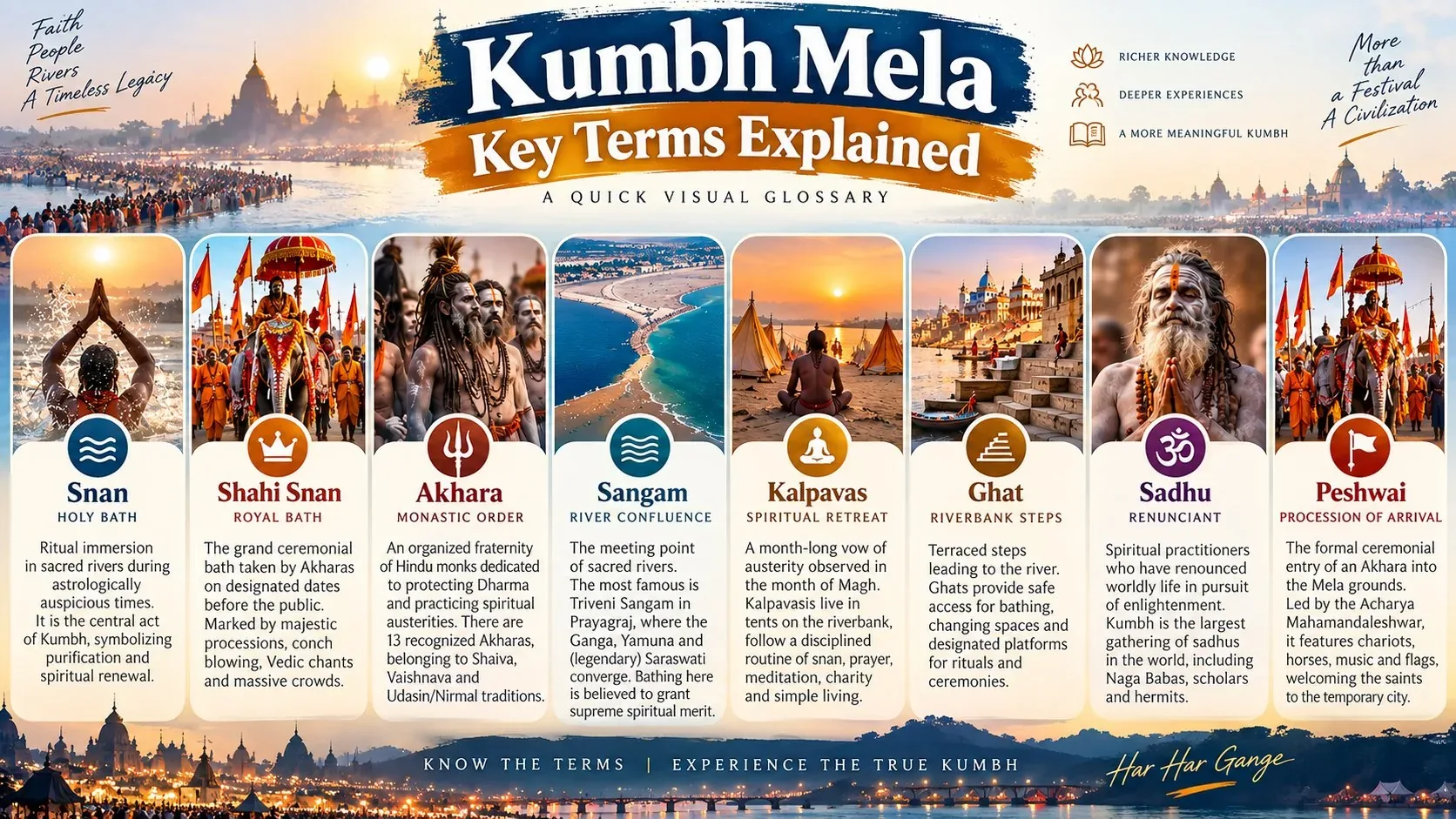
- Snan (Holy Bath)
- Shahi Snan (Royal Bath)
- Akhara (Monastic Order)
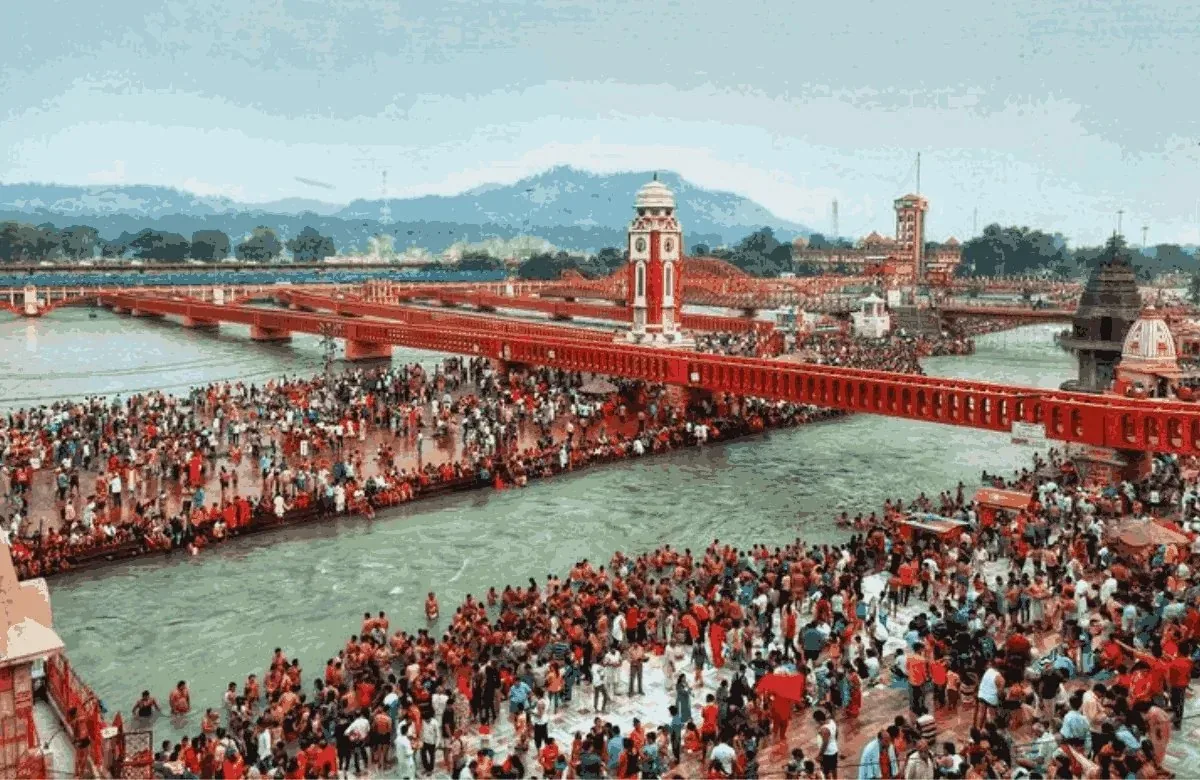
- Sangam (River Confluence)
- Kalpavas (Spiritual Retreat Period)
- Ghat (Riverbank Steps)
- Sadhu (Spiritual Practitioner)
- Peshwai (Procession)
1. Snan (Holy Bath)
What is Snan?
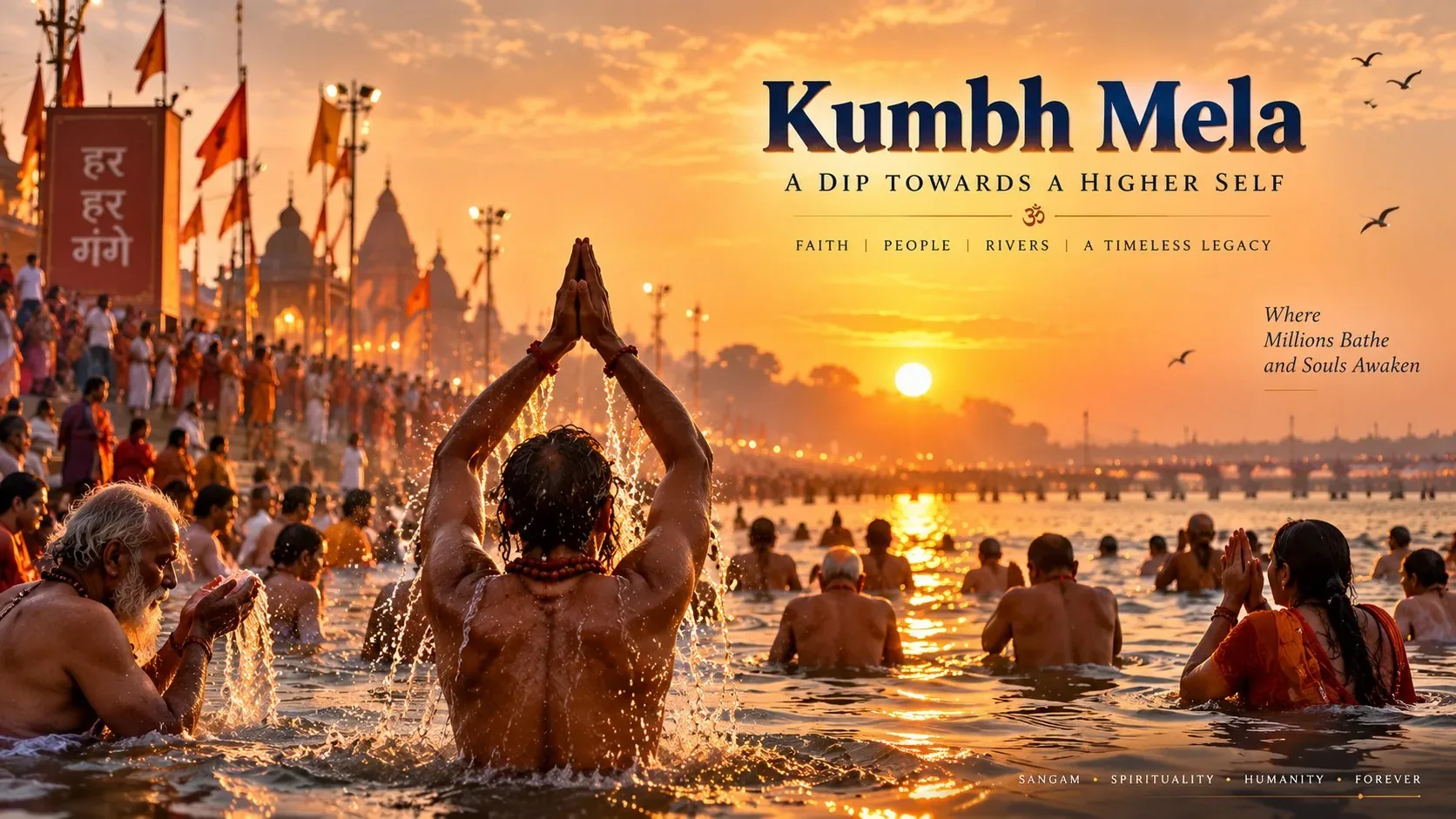
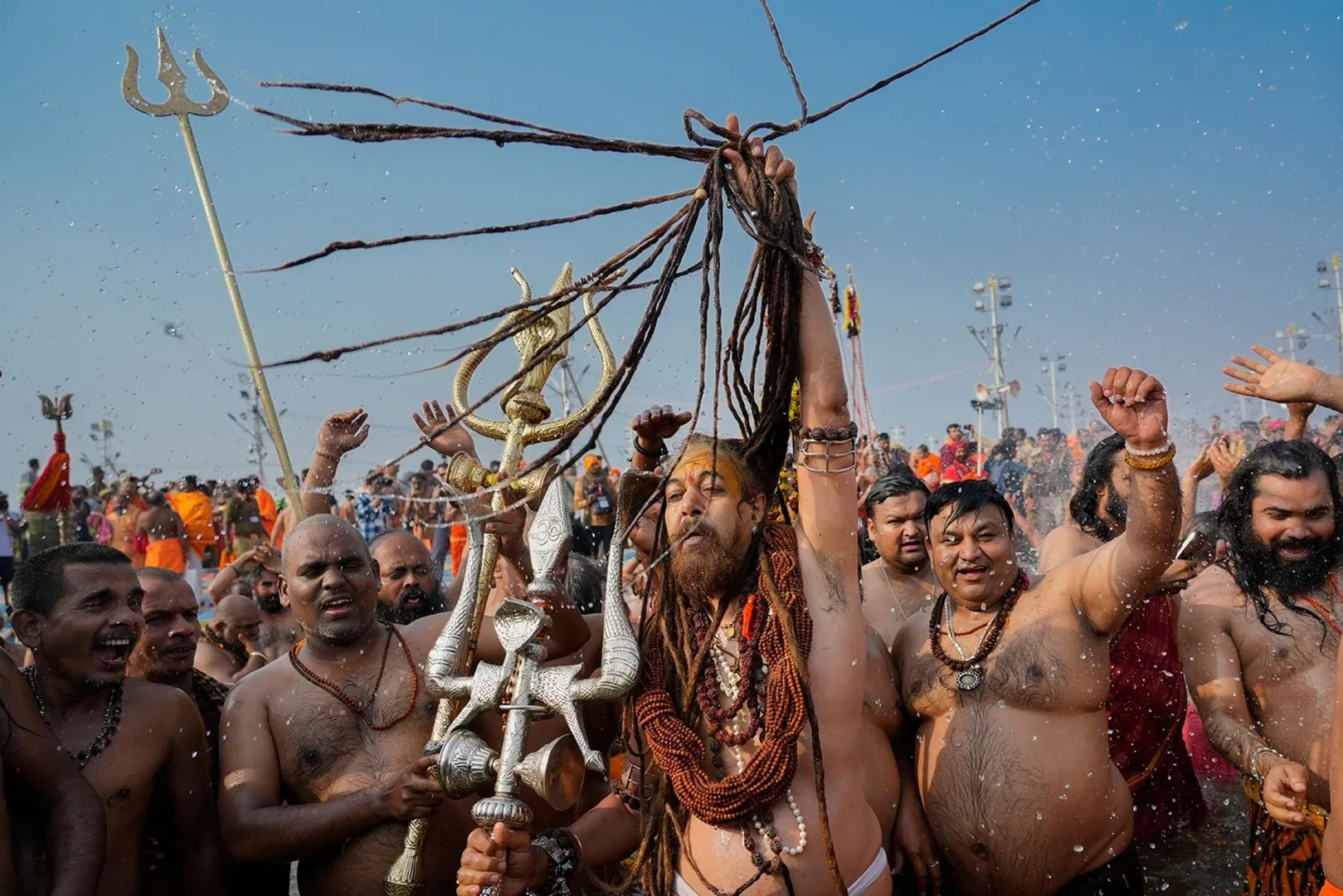
Snan refers to the ritual bathing in sacred rivers during Kumbh Mela.
Why is Snan Important?
It is considered the central act of participation in Kumbh.
Devotees believe it helps:
- Cleanse negative karma
- Achieve spiritual purification
- Begin a renewed spiritual journey
Types of Snan:
- Regular Snan: Daily bathing undertaken by devotees.
- Shahi Snan: A special ceremonial bath associated with Akharas and auspicious bathing occasions.
2. Shahi Snan (Royal Bath)
What is Shahi Snan?
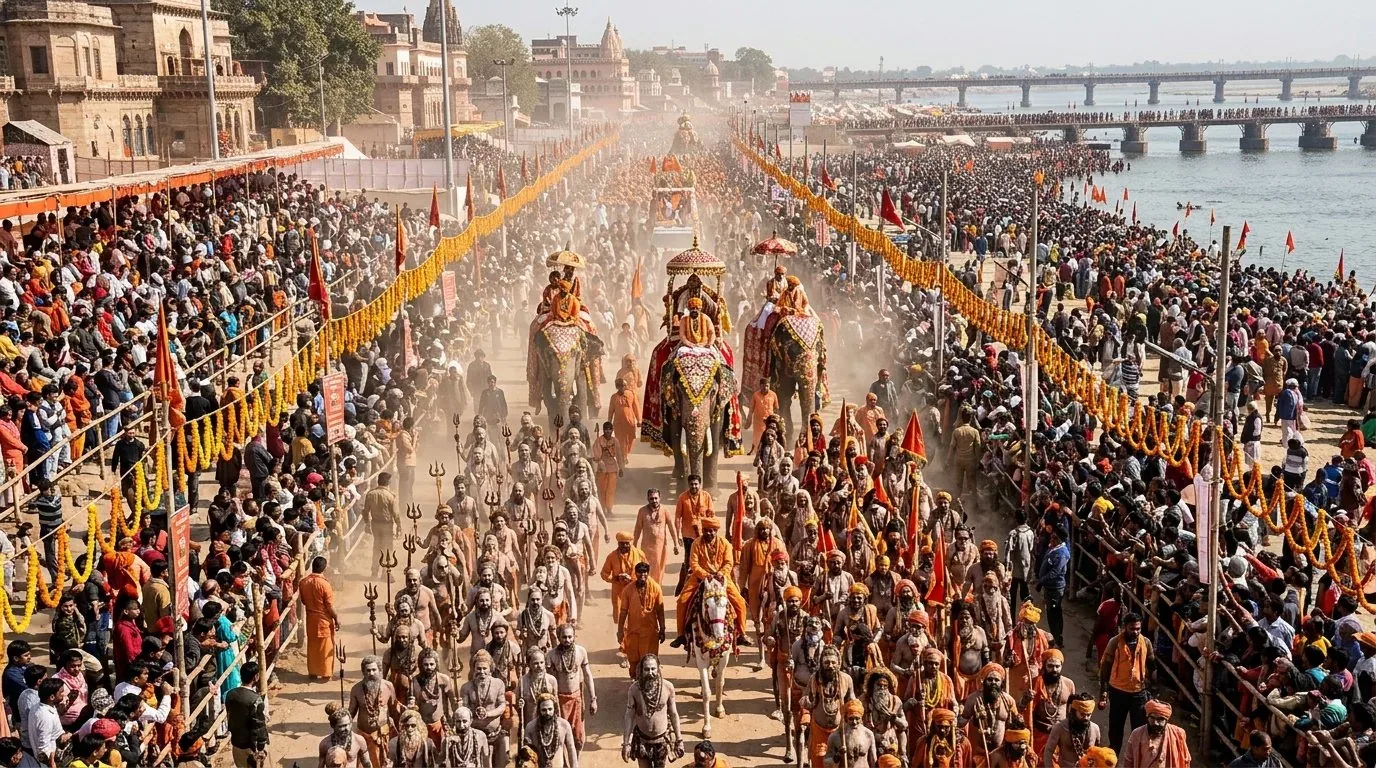
Shahi Snan is the most important and ceremonial bathing event of Kumbh.
Key Highlights:
- Led by Akharas and their spiritual orders
- Includes grand ceremonial processions
- Happens on specific auspicious dates
Scale Insight:
👉 On Shahi Snan days:
- Crowds peak dramatically
- Participation can reach tens of millions in a single day
Why It Matters:
✔ Marks some of the most spiritually significant moments of Kumbh
✔ Establishes the ceremonial bathing sequence associated with the Akharas
3. Akhara (Spiritual Orders)
What is an Akhara?
Akhara refers to organized groups of monks, saints, and spiritual practitioners.
Key Facts:
-
There are 13 major Akharas
-
Each follows its own traditions and practices
-
They play a central role in:
- Rituals
- Processions
- Spiritual leadership
Why Akharas Are Important:
✔ Maintain spiritual traditions
✔ Lead Shahi Snan ceremonies
✔ Attract followers and disciples
4. Sangam (Confluence of Rivers)
What is Sangam?
Sangam means the meeting point of two or more rivers.
Why is it Important?
At Kumbh locations like Prayagraj:
👉 The Sangam is considered the most sacred bathing point.
It holds both geographical and spiritual importance for pilgrims.
Practical Insight:
- Maximum crowd density is often near major bathing areas such as the Sangam
- Major rituals and bathing activities take place here
5. Kalpavas (Extended Spiritual Stay)
What is Kalpavas?
Kalpavas refers to a month-long spiritual stay during Kumbh and the associated Magh-period observances.
What Do Kalpavasis Do?
Participants:
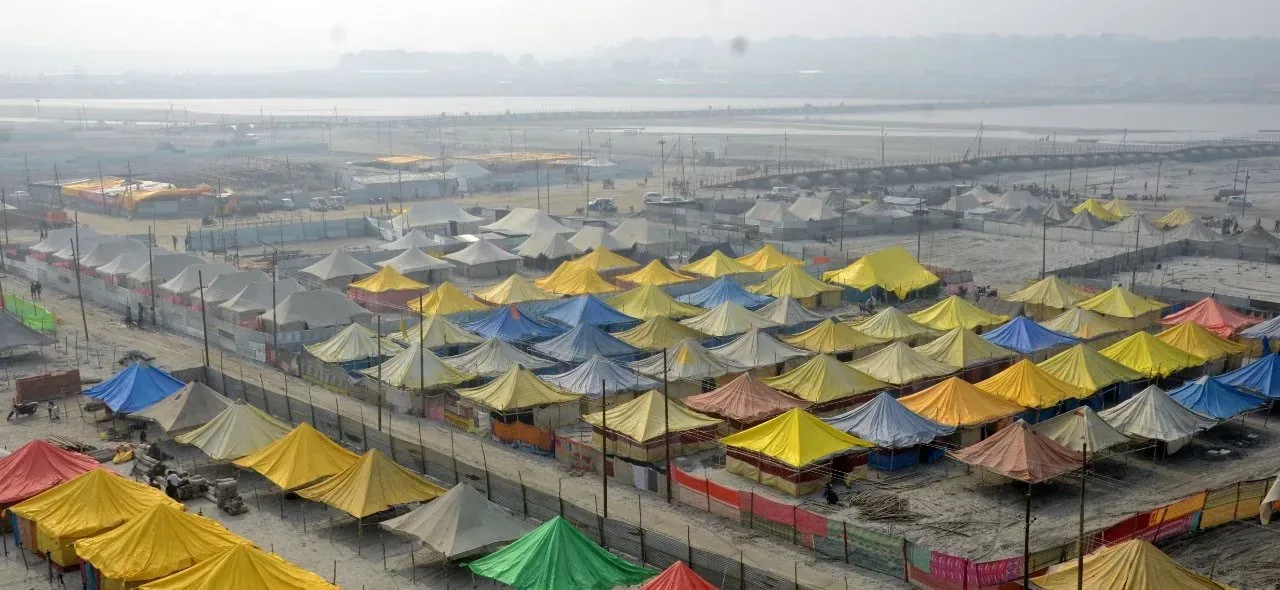
- Live in temporary tents
- Follow disciplined daily routines
- Engage in prayer, fasting, meditation, and rituals
Why It Matters:
✔ Represents deep spiritual commitment
✔ Goes beyond a short visit
✔ Aims for spiritual transformation and self-discipline
6. Ghat (Riverbank Steps)
What is a Ghat?
Ghats are steps leading down to the river, designed for:
- Bathing
- Rituals
- Gatherings
Why Ghats Matter:
✔ Provide organized access to the water
✔ Help manage large crowds
✔ Serve as important ritual zones
7. Sadhu (Spiritual Practitioner)
Who are Sadhus?
Sadhus are individuals who have renounced worldly life to pursue spirituality.
They belong to different spiritual traditions and may follow diverse paths of meditation, devotion, austerity, and religious study.
Role at Kumbh:
- Lead or participate in rituals
- Offer spiritual guidance
- Represent different religious traditions
Interesting Insight:
👉 Kumbh is one of the largest gatherings of sadhus in the world.
8. Peshwai (Procession)
What is Peshwai?
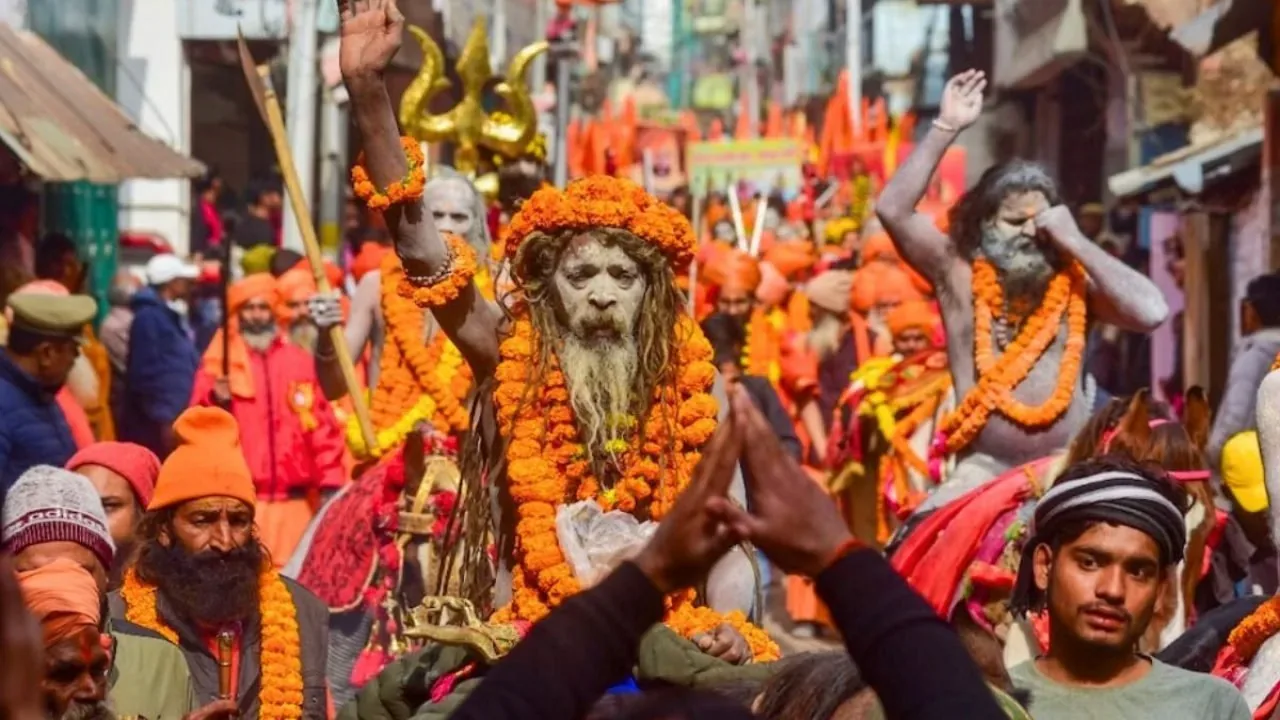
Peshwai is a grand ceremonial procession marking the arrival of Akharas at the Kumbh grounds.
What Happens During Peshwai?
- Decorated chariots
- Music and chanting
- Public display of traditions
- Participation by sadhus and spiritual leaders
Why It Matters:
✔ Signals the arrival of an Akhara and the beginning of its participation in the Mela
✔ Creates a spectacular visual and cultural experience
Why Understanding These Terms Matters
Knowing these terms helps you:
✔ Navigate Kumbh confidently
✔ Understand what’s happening around you
✔ Recognize important rituals and traditions
✔ Enhance your overall Kumbh experience
Conclusion: The Language of Kumbh
Kumbh Mela is not just an event—it’s a living ecosystem with its own language.
Once you understand these terms:
👉 The experience becomes clearer, richer, and more meaningful.
Enhance Your Pilgrimage Experience
Mobile App
Read Kumbh Guides on Mobile
Download the Divya Kripa to read all 19 guides offline, receive real-time snan alerts, and access GPS-enabled navigation on the ground.
Download AppAI Assistant
Personalized Planner & Chatbot
Access your Kumbh Planner AI Assistant to receive tailored ritual advice, customized itineraries, and instant answers to spiritual questions.
Try AI Planner