All Blog Posts
Awareness
Sadhus & Akharas: Inside the Holy Monastic Orders of India
K
Kumbh AdminAugust 4, 20268 min readAn inside look at the lives of the Naga Sadhus, the history and structure of the Akharas, and other Indian religious fairs.
Akharas & Naga Sadhus of Kumbh Mela: History, Monastic Traditions, Initiation & Hindu Spiritual Orders
The Akharas and Naga Sadhus are among the most iconic and spiritually significant aspects of the Kumbh Mela. Their ancient traditions, disciplined lifestyles, and centuries-old monastic lineages have shaped the spiritual identity of India's largest pilgrimage for generations.
From the spectacular Shahi Snan (Royal Bath) processions led by Naga Sadhus to the scholarly traditions of various monastic orders, the Akharas represent a rich blend of spirituality, philosophy, service, meditation, and cultural heritage.
This guide explores the history of the Akharas, the life and initiation of Naga Sadhus, the different monastic traditions within Hinduism, and other important religious fairs across India.
What Is an Akhara?
An Akhara is a traditional Hindu monastic institution or religious order that brings together saints, monks, ascetics, and spiritual practitioners under a shared lineage and philosophy.
Historically, the Sanskrit word "Akhara" referred to a wrestling arena or training ground. Over time, it came to represent organized monastic communities where spiritual discipline, scriptural learning, meditation, and service are practiced.
Today, Akharas play a central role during the Kumbh Mela by:
- Preserving ancient spiritual traditions
- Training monks and ascetics
- Organizing religious ceremonies
- Leading sacred processions
- Promoting philosophical teachings
- Serving pilgrims through various religious and social activities
Historical Background of the Akharas
Many traditions associate the organized development of Akharas with Adi Shankaracharya, the renowned philosopher and teacher who helped strengthen monastic institutions and preserve Hindu philosophical traditions.
Over centuries, different Akharas evolved with their own spiritual practices, organizational structures, and devotional focus while continuing to participate in major Hindu pilgrimages, including the Kumbh Mela.
Major Types of Akharas
Several Akharas participate in the Kumbh Mela, representing diverse spiritual traditions within Hinduism.
1. Shaiva Akharas
Shaiva Akharas are devoted primarily to Lord Shiva and are widely recognized for their emphasis on asceticism, meditation, renunciation, and yogic discipline.
Characteristics include:
- Worship of Lord Shiva
- Meditation and austerity
- Yogic practices
- Renunciation of worldly attachments
- Participation in the Shahi Snan
Among the well-known Shaiva traditions are the Juna Akhara and Mahanirvani Akhara, both of which play prominent roles during the Kumbh Mela.
2. Vaishnava Akharas (Anis)
Vaishnava Akharas are dedicated to the worship of Lord Vishnu and his various incarnations, including Lord Rama and Lord Krishna.
Their traditions emphasize:
- Devotion (Bhakti)
- Scriptural study
- Temple worship
- Community service
- Spiritual education
Historically, many Vaishnava monastic groups have been organized into structured divisions known as Anis.
3. Udasin Akharas
The Udasin tradition traces its origins to Sri Chand, who is traditionally regarded as the elder son of Guru Nanak, the founder of Sikhism.
The Udasin tradition places importance on:
- Meditation
- Detachment
- Spiritual contemplation
- Philosophical study
- Simplicity
Its members have historically engaged in preserving religious knowledge and promoting interfaith understanding.
Governance of an Akhara
Each Akhara has an organized administrative structure that oversees its religious, educational, and community activities.
Responsibilities typically include:
- Initiation of new members
- Management of monasteries and ashrams
- Organization of religious events
- Preservation of traditions
- Administration of community resources
- Guidance for disciples
Senior spiritual leaders provide direction while maintaining the customs and values of their respective lineages.
Who Are the Naga Sadhus?
Naga Sadhus are ascetics belonging primarily to certain Shaiva Akharas who dedicate their lives to spiritual discipline, renunciation, and devotion.
They are especially known for:
- Rigorous ascetic practices
- Meditation
- Yogic discipline
- Simplicity of living
- Participation in the Shahi Snan processions
Their distinctive appearance—including sacred ash (Bhasma) applied to the body—is widely recognized during the Kumbh Mela.
The Journey to Becoming a Naga Sadhu
Becoming a Naga Sadhu is a gradual spiritual process requiring commitment, discipline, and guidance from experienced teachers.
Stage 1: Becoming a Disciple
An aspiring seeker begins by living within the monastic community under the guidance of a Guru.
During this period, the disciple learns:
- Spiritual discipline
- Meditation
- Scriptural teachings
- Daily service (Seva)
- Simplicity
- Self-control
This stage may continue for several years.
Stage 2: Spiritual Training
Before initiation, disciples continue developing qualities such as:
- Patience
- Humility
- Detachment
- Compassion
- Discipline
- Dedication to spiritual practice
The exact duration and practices vary among Akharas.
Stage 3: Initiation (Diksha)
Qualified disciples may undergo a formal initiation ceremony (Diksha), traditionally conducted according to the customs of their Akhara.
Some traditions include symbolic rituals representing the renunciation of worldly identity and the beginning of a life devoted to spiritual practice.
Specific ceremonies and customs vary among different monastic orders.
Life After Initiation
After initiation, many Naga Sadhus dedicate themselves to:
- Meditation
- Pilgrimage
- Study
- Spiritual guidance
- Temple and ashram service
- Participation in religious festivals
Some reside in monasteries or ashrams, while others travel extensively or spend time in remote places dedicated to spiritual practice.
Daily Life of a Sadhu
Although lifestyles vary among traditions, daily activities often include:
- Early morning prayers
- Meditation
- Yoga
- Chanting
- Scriptural study
- Community service
- Spiritual discussions
- Pilgrim interaction
The emphasis remains on self-discipline, simplicity, and devotion.
The Significance of the Shahi Snan
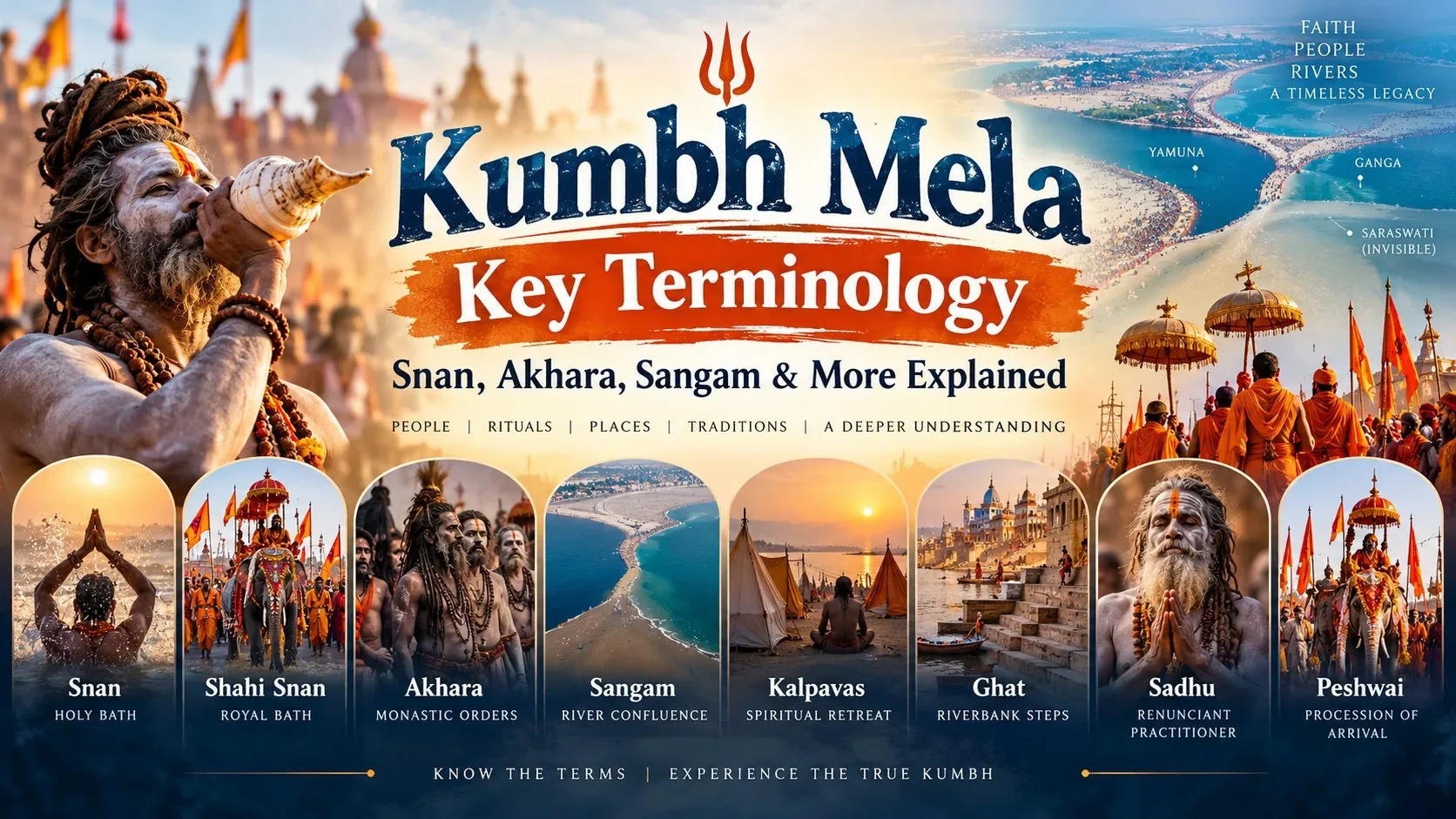
One of the most anticipated moments of the Kumbh Mela is the Shahi Snan (Royal Bath).
During this ceremonial procession:
- Akharas enter in a traditional sequence.
- Saints and ascetics lead the procession.
- Religious flags and symbols are displayed.
- Devotees gather to witness the historic event.
- Sacred bathing takes place according to established traditions.
The Shahi Snan is one of the defining spiritual ceremonies of the Kumbh Mela.
Other Major Religious Fairs in India
India hosts numerous important religious gatherings throughout the year.
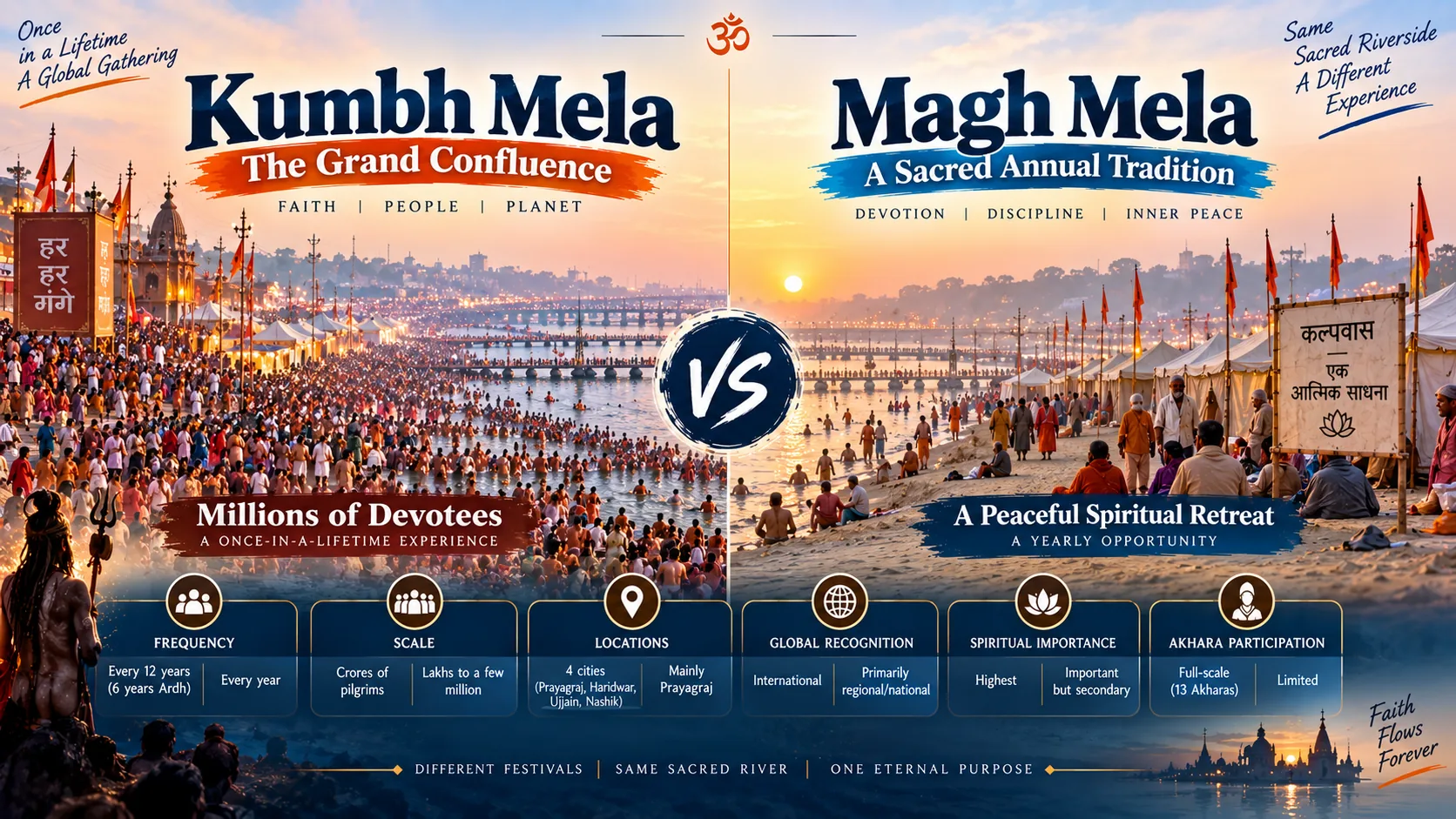
Magh Mela (Prayagraj)
Often considered an annual counterpart to the Kumbh, the Magh Mela is held during the Hindu month of Magha (typically January–February).
The festival features:
- Sacred bathing
- Religious discourses
- Spiritual camps
- Devotional activities
Gangasagar Mela (West Bengal)
Held at Gangasagar, where the River Ganga meets the Bay of Bengal, this pilgrimage is observed during Makar Sankranti.
Pilgrims gather to:
- Take a holy dip
- Visit Kapil Muni Temple
- Participate in religious ceremonies
- Offer prayers
Pushkar Fair (Rajasthan)
The Pushkar Fair combines religious devotion with Rajasthan's rich cultural traditions.
Visitors experience:
- Pilgrimage to Pushkar Lake
- Brahma Temple visits
- Cultural performances
- Traditional markets
- Camel and livestock exhibitions
It is one of India's most famous cultural and religious festivals.
Why Akharas Matter Today
The Akharas continue to preserve India's spiritual and philosophical heritage by:
- Teaching ancient traditions
- Protecting sacred knowledge
- Supporting pilgrims
- Organizing religious ceremonies
- Encouraging meditation and yoga
- Promoting community service
They remain an integral part of the Kumbh Mela's identity.
Watch Videos About Akharas & Sadhus
Life of Naga Sadhus Documentary
Learn about the spiritual discipline, daily practices, and traditions followed by Naga Sadhus through an educational documentary.
Watch Sadhus Video: Life of Naga Sadhus Documentary
History of the Akharas
Explore the origins, evolution, philosophies, and organizational structures of India's historic monastic orders through expert lectures and interviews.
Watch Sadhus Video: Akhara History & Organization
Frequently Asked Questions (FAQs)
What is an Akhara?
An Akhara is a Hindu monastic order or religious institution that brings together saints, monks, and spiritual practitioners under a shared lineage, philosophy, and tradition.
Who are the Naga Sadhus?
Naga Sadhus are ascetics associated primarily with certain Shaiva Akharas who dedicate their lives to spiritual discipline, meditation, and renunciation.
Why are Naga Sadhus famous during the Kumbh Mela?
They traditionally lead the ceremonial Shahi Snan (Royal Bath) processions and are recognized for their long-standing ascetic traditions and spiritual practices.
Are all Akharas the same?
No. Different Akharas follow different spiritual traditions, philosophies, devotional practices, and organizational customs while participating together during the Kumbh Mela.
Which other religious fairs are similar to the Kumbh Mela?
Major religious gatherings in India include the Magh Mela, Gangasagar Mela, and the Pushkar Fair, each with its own historical, cultural, and spiritual significance.
Explore More Kumbh Connect Resources
Learn more about India's spiritual traditions:
- Interactive Map: /map
- Rituals & Traditions Guide: /blogs?slug=rituals-traditions-guide
- Events Calendar: /events
Final Thoughts
The Akharas and Naga Sadhus embody centuries of spiritual tradition, discipline, and devotion that continue to inspire millions of pilgrims at the Kumbh Mela. Their presence reflects the diversity of Hindu monastic life, the preservation of sacred knowledge, and the enduring importance of faith, meditation, and service.
By learning about these ancient institutions, visitors gain a deeper appreciation for the cultural and spiritual richness that makes the Kumbh Mela one of the world's most remarkable religious gatherings.
Akharas & Naga Sadhus of Kumbh Mela | History, Traditions & Monastic Orders
Discover the history of Akharas and Naga Sadhus at the Kumbh Mela. Learn about Hindu monastic traditions, initiation, Shahi Snan, major Akharas, and other important religious fairs across India.
Akharas and Naga Sadhus
- Naga Sadhus
- Akharas of Kumbh Mela
- Hindu Monastic Orders
- Juna Akhara
- Mahanirvani Akhara
- Shaiva Akharas
- Vaishnava Akharas
- Udasin Akharas
- Shahi Snan
- Diksha Ceremony
- Hindu Ascetics
- Monastic Traditions India
- History of Akharas
- Kumbh Mela Saints
- Magh Mela
- Gangasagar Mela
- Pushkar Fair
- Hindu Pilgrimage Traditions
- Spiritual Lineages India
- Kumbh Mela Heritage
Enhance Your Pilgrimage Experience
Mobile App
Read Kumbh Guides on Mobile
Download the Divya Kripa to read all 19 guides offline, receive real-time snan alerts, and access GPS-enabled navigation on the ground.
Download AppAI Assistant
Personalized Planner & Chatbot
Access your Kumbh Planner AI Assistant to receive tailored ritual advice, customized itineraries, and instant answers to spiritual questions.
Try AI Planner