All Blog Posts
RitualHeritageFestival
Why Do We Worship the Setting and Rising Sun During Chhath Puja?
K
Kumbh AdminNovember 14, 20269 min readChhath Puja is one of the few Hindu festivals in which devotees offer prayers to both the setting and rising Sun. From expressing gratitude for life's blessings to welcoming new beginnings, discover the religious and cultural meaning behind Sandhya Arghya and Usha Arghya.
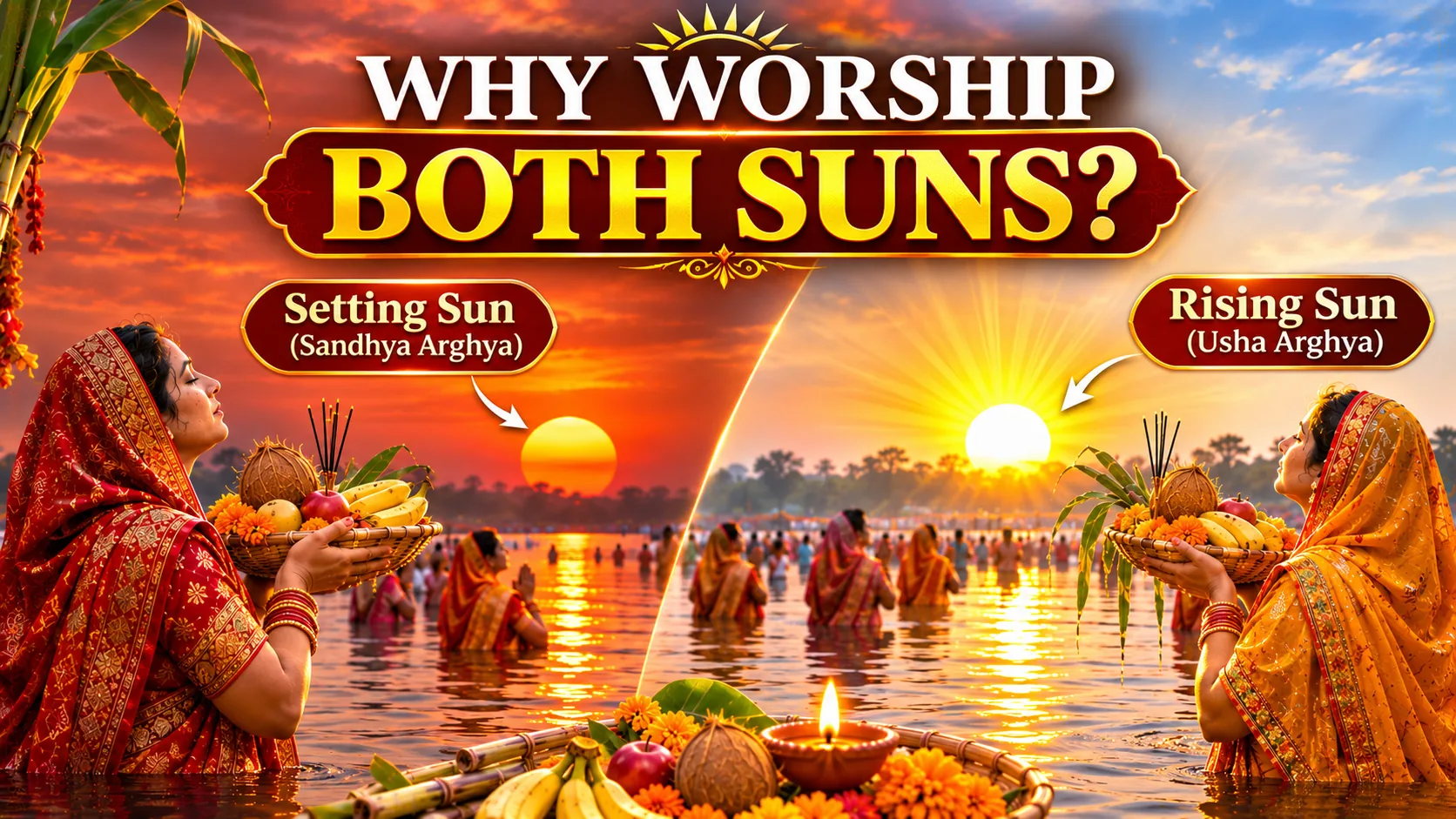
Every evening, the Sun disappears below the horizon, and every morning, it rises again to bring light to the world. But during Chhath Puja, devotees do something particularly meaningful: they worship the Sun at both moments.
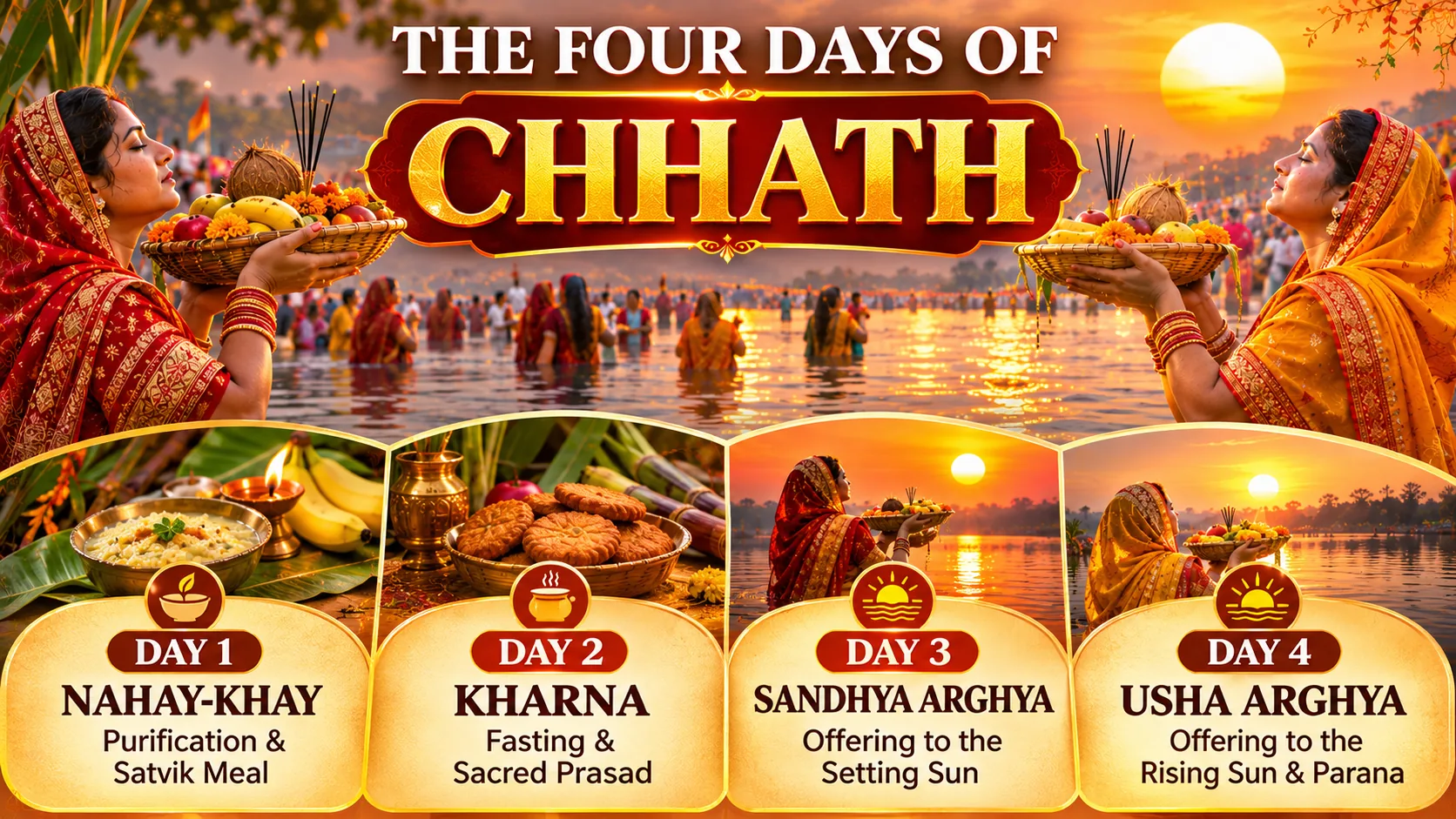
On the third day of Chhath Puja, thousands of devotees gather near rivers, ponds, and lakes to offer Arghya to the setting Sun. The following morning, they return to the same water bodies before sunrise to welcome the rising Sun with prayers and offerings.
This practice is one of the most distinctive features of Chhath Puja. While many Hindu religious traditions give special importance to sunrise, Chhath gives equal devotional attention to sunset.
The tradition is deeply connected with gratitude, faith, humility, and respect for nature. It reminds devotees that the Sun deserves reverence not only when it brings a new day but also when its journey across the sky comes to an end.
But why does Chhath Puja worship both the setting and rising Sun? What do Sandhya Arghya and Usha Arghya represent, and what is their deeper religious significance?
1. Why Is the Setting Sun Worshipped During Chhath Puja?
The third day of Chhath Puja is known as Sandhya Arghya. On this evening, devotees stand in water and offer prayers to Surya Dev as the Sun approaches the horizon.
This ritual is particularly significant because worshipping the setting Sun is not as common in Hindu festivals as worshipping the rising Sun.
Expressing Gratitude for the Day's Blessings
The setting Sun represents the completion of another day.
Throughout the day, sunlight provides warmth and energy, supports agricultural activities, and plays an essential role in sustaining life.
By offering Arghya at sunset, devotees express gratitude for these blessings.
The prayer is not simply a request for future prosperity. It is also an acknowledgment of everything that has already been received.
Respecting Every Phase of Life
The setting Sun also carries a symbolic meaning.
In everyday life, people often celebrate beginnings, achievements, and success. Endings and periods of difficulty, however, receive less appreciation.
Chhath Puja offers a different perspective.
Devotees worship the Sun even as it disappears from view. This can be understood as a reminder that every phase of existence deserves respect.
Just as the Sun remains worthy of worship during sunset, people should maintain gratitude and dignity through changing circumstances.
The Significance of Sandhya Arghya
During Sandhya Arghya, devotees carry traditional bamboo baskets containing fruits, Thekua, sugarcane, coconuts, and other offerings.
They enter the water, face the setting Sun, and offer water as Arghya while reciting prayers and singing Chhath Geet.
For many families, this is one of the most emotionally significant moments of the festival.
The entire gathering becomes an expression of devotion, gratitude, and collective faith.
2. Why Is the Rising Sun Worshipped the Next Morning?
After offering prayers to the setting Sun, devotees return to the Chhath Ghat before sunrise on the fourth day.
This morning ritual is called Usha Arghya or Bihaniya Arghya.
As the first rays appear, devotees offer water and traditional Prasad to Surya Dev and pray to Chhathi Maiya for the health, happiness, and prosperity of their families.
The Rising Sun Represents New Beginnings
The rising Sun symbolizes hope, renewal, energy, and the beginning of another day.
Its first rays bring light after darkness and remind people that every ending can be followed by a new beginning.
For devotees, Usha Arghya represents the hope of a healthier, happier, and more prosperous future.
Prayers for Health and Family Well-Being
Surya Dev is traditionally worshipped as the source of life, vitality, and energy.
During Usha Arghya, devotees seek blessings for:
- Good health and physical well-being.
- Long life and happiness for children.
- Prosperity and peace within the family.
- Strength to overcome difficulties.
- A positive and prosperous future.
Chhathi Maiya is also remembered during these prayers, particularly for the protection and well-being of children.
The Importance of Completing the Fast
Usha Arghya is also the final major ritual of Chhath Puja.
After offering prayers to the rising Sun, devotees complete their traditional fasting observance through Paran.
This makes the morning offering both a religious conclusion and a deeply emotional moment for families who have observed the demanding four-day festival.
3. What Is the Difference Between Sandhya Arghya and Usha Arghya?
Although both rituals involve offering water to Surya Dev, they take place at different times and carry distinct symbolic meanings.
| Sandhya Arghya | Usha Arghya |
|---|---|
| Performed on the third day | Performed on the fourth day |
| Offered to the setting Sun | Offered to the rising Sun |
| Takes place in the evening | Takes place before and during sunrise |
| Represents gratitude and completion | Represents hope and renewal |
| Marks the main evening worship | Marks the final major worship |
Together, these two rituals complete the central solar worship of Chhath Puja.
The evening offering acknowledges the blessings of the day that has passed, while the morning offering welcomes the opportunities of the day ahead.
4. What Is the Spiritual Meaning Behind Worshipping Both Suns?
The worship of the setting and rising Sun carries several important messages that extend beyond the physical movement of the Sun.
Gratitude Should Not Depend on Success
People often express gratitude when something good happens. However, Chhath Puja teaches devotees to remain thankful even when one phase of life comes to an end.
Worshipping the setting Sun symbolizes appreciation without expecting immediate rewards.
Every Ending Makes Room for a Beginning
The transition from sunset to sunrise represents the continuous cycle of nature.
Night follows day, and morning follows night.
This natural cycle can be understood as a reminder that difficult periods do not last forever and that new opportunities can emerge after challenging experiences.
Respect for Nature and Its Life-Giving Forces
The Sun is essential for life on Earth. It supports plant growth, influences seasons, and provides the energy required for natural processes.
Chhath Puja places this relationship at the centre of religious devotion.
The offerings made to Surya Dev reflect gratitude for the natural forces that sustain human life.
Humility and Equality
The Sun shines upon everyone without distinction.
Its light reaches people regardless of their wealth, social position, or background.
During Chhath Puja, people from different communities gather at the same ghats and participate in shared rituals.
This collective devotion reflects the values of equality, humility, and community.
5. What Is the Connection Between Chhath Puja, Surya Dev and Chhathi Maiya?
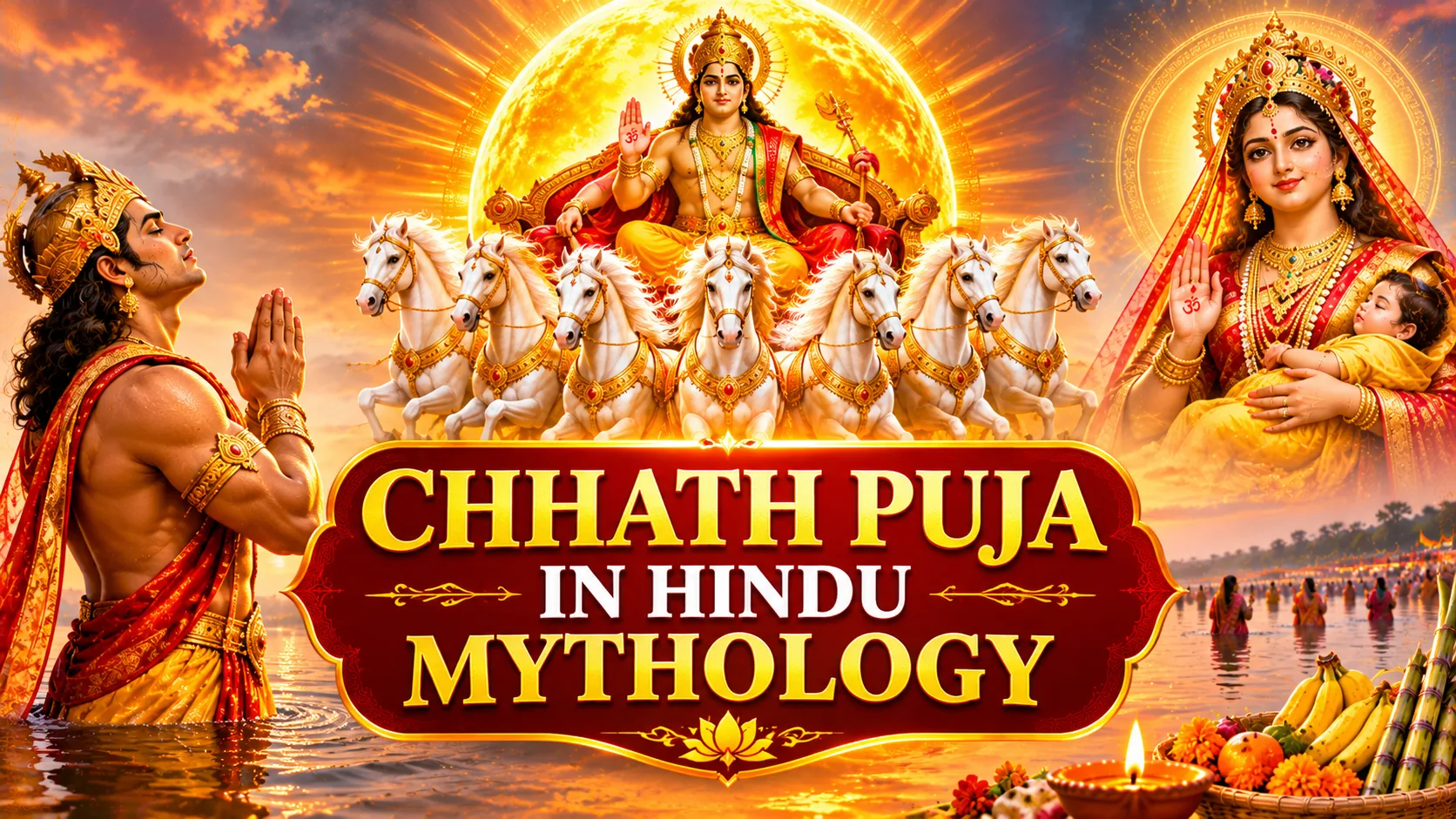
Chhath Puja is traditionally dedicated to Surya Dev and Chhathi Maiya.
Both have important roles in the religious beliefs associated with the festival.
Surya Dev: The Source of Life and Energy
In Hindu traditions, Surya Dev represents the life-giving power of the Sun.
He is associated with health, vitality, knowledge, and prosperity.
The Rigveda contains several hymns dedicated to solar deities, reflecting the ancient importance of solar worship in Indian religious traditions.
Offering Arghya to the setting and rising Sun is an expression of devotion and gratitude towards this divine source of energy.
Chhathi Maiya: The Protector of Children and Families
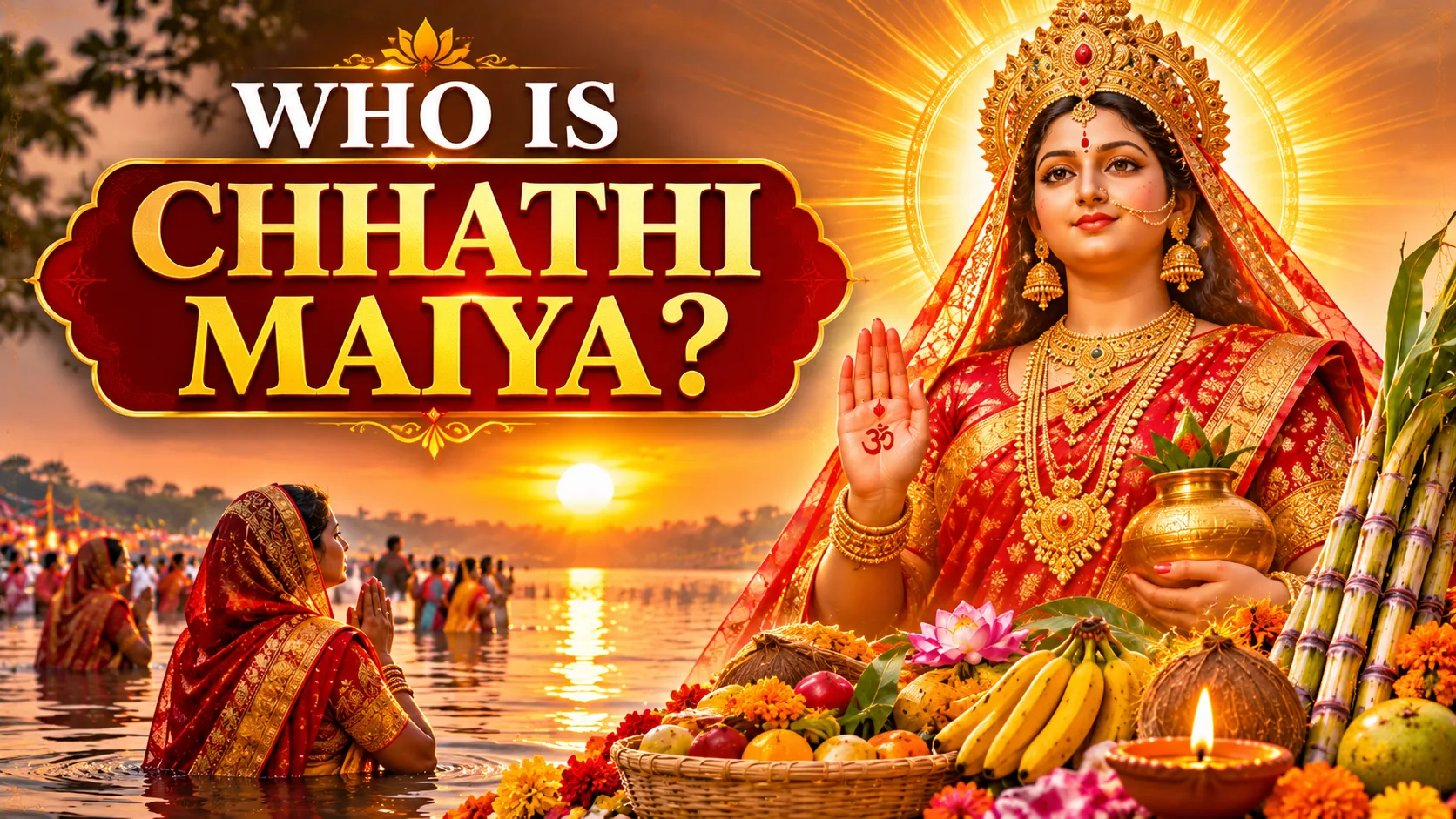
Chhathi Maiya is widely associated with Goddess Shashthi and is traditionally worshipped for the protection of children, motherhood, and family welfare.
During Chhath Puja, devotees seek her blessings alongside their prayers to Surya Dev.
In regional traditions, particularly in Bihar and eastern Uttar Pradesh, she is also popularly regarded as the sister of Surya Dev.
The worship of both divine figures gives Chhath Puja its distinctive religious and cultural identity.
6. Why Is Chhath Puja Different from Other Sun Worship Traditions?
Sun worship has a long history in Hindu religious traditions.
Surya Namaskar, daily Surya Arghya, and festivals such as Makar Sankranti demonstrate the importance of the Sun in Hindu culture.
However, Chhath Puja stands out because of its distinctive combination of rituals.
Worship at Natural Water Bodies
Devotees gather near rivers, ponds, lakes, and other water bodies rather than limiting worship to temples.
The water becomes an important part of the ritual setting, and devotees offer Arghya while standing in it.
Worship of Both Sunset and Sunrise
The equal devotional importance given to Sandhya Arghya and Usha Arghya makes Chhath particularly distinctive.
Both the completion of the day and the beginning of another receive religious recognition.
Strict Fasting and Traditional Offerings
The four-day observance involves disciplined fasting, ritual cleanliness, traditional food preparation, and community participation.
These practices make Chhath Puja a particularly demanding and deeply meaningful festival for its devotees.
A Strong Connection with Regional Culture
Chhath Puja has a particularly strong presence in Bihar, Jharkhand, eastern Uttar Pradesh, and Nepal.
Traditional songs, bamboo baskets, Thekua, sugarcane, and gatherings at riverbanks preserve the cultural identity of these regions.
Frequently Asked Questions About Worshipping the Setting and Rising Sun
1. Why do devotees worship the setting Sun during Chhath Puja?
Devotees worship the setting Sun to express gratitude for its life-giving energy and the blessings received throughout the day. This ritual is called Sandhya Arghya.
2. Why is the rising Sun worshipped on the fourth day?
The rising Sun represents hope, renewal, and new beginnings. Devotees offer Usha Arghya to seek blessings for health, prosperity, and family happiness.
3. What is Sandhya Arghya?
Sandhya Arghya is the evening ritual performed on the third day of Chhath Puja. Devotees offer water, fruits, and traditional Prasad to the setting Sun.
4. What is Usha Arghya?
Usha Arghya is the morning offering performed on the fourth day of Chhath Puja. It involves worshipping the rising Sun before concluding the traditional fast.
5. Why do devotees stand in water while offering Arghya?
Standing in water is an established part of Chhath Puja traditions. It forms the setting for offering prayers to Surya Dev and reflects the festival's close connection with natural water bodies.
6. Is Chhath Puja the only Hindu festival that worships the setting Sun?
No. Hindu traditions include different forms of solar worship. However, Chhath Puja is particularly distinctive for giving central importance to both the setting and rising Sun through consecutive evening and morning rituals.
7. What is the message of worshipping both the setting and rising Sun?
The tradition can be understood as a message of gratitude, humility, hope, and renewal. It reminds devotees to appreciate both completed journeys and new beginnings.
The Simple Answer
We worship both the setting and rising Sun during Chhath Puja because each represents an important part of the natural cycle of life.
Sandhya Arghya is offered to the setting Sun as an expression of gratitude for its blessings and life-giving energy.
Usha Arghya is offered to the rising Sun as a prayer for new beginnings, good health, prosperity, and family happiness.
Together, these two rituals express a beautiful message: remain grateful for what life has given you, respect every phase of existence, and welcome each new beginning with hope.
That is what makes Chhath Puja so special. It teaches devotion not only through prayers but also through gratitude towards nature and the forces that sustain life.
Pilgrim Resources
Enhance Your Pilgrimage Experience
Mobile App
Download AppRead Kumbh Guides on Mobile
Download Divya Kripa to read all official guides offline, receive real-time snan alerts, and access GPS-enabled navigation on the ground.
AI Assistant
Try AI PlannerPersonalized Planner & Guide
Access your Kumbh Planner AI Assistant to receive tailored ritual advice, customized itineraries, and instant answers to spiritual questions.
More Stories
Related Articles
Loading discussion & reviews...