All Blog Posts
SpiritualityCultureFestival
Who Is Chhathi Maiya? Her Story, Identity and Significance in Hindu Mythology
K
Kumbh AdminNovember 13, 202610 min readChhathi Maiya is one of the most revered divine figures associated with Chhath Puja. Worshipped for the protection of children, motherhood, fertility, and family prosperity, she holds a special place in the religious traditions of Bihar, Jharkhand, and eastern Uttar Pradesh. Discover who Chhathi Maiya is, her mythological identity, and why millions of devotees worship her.
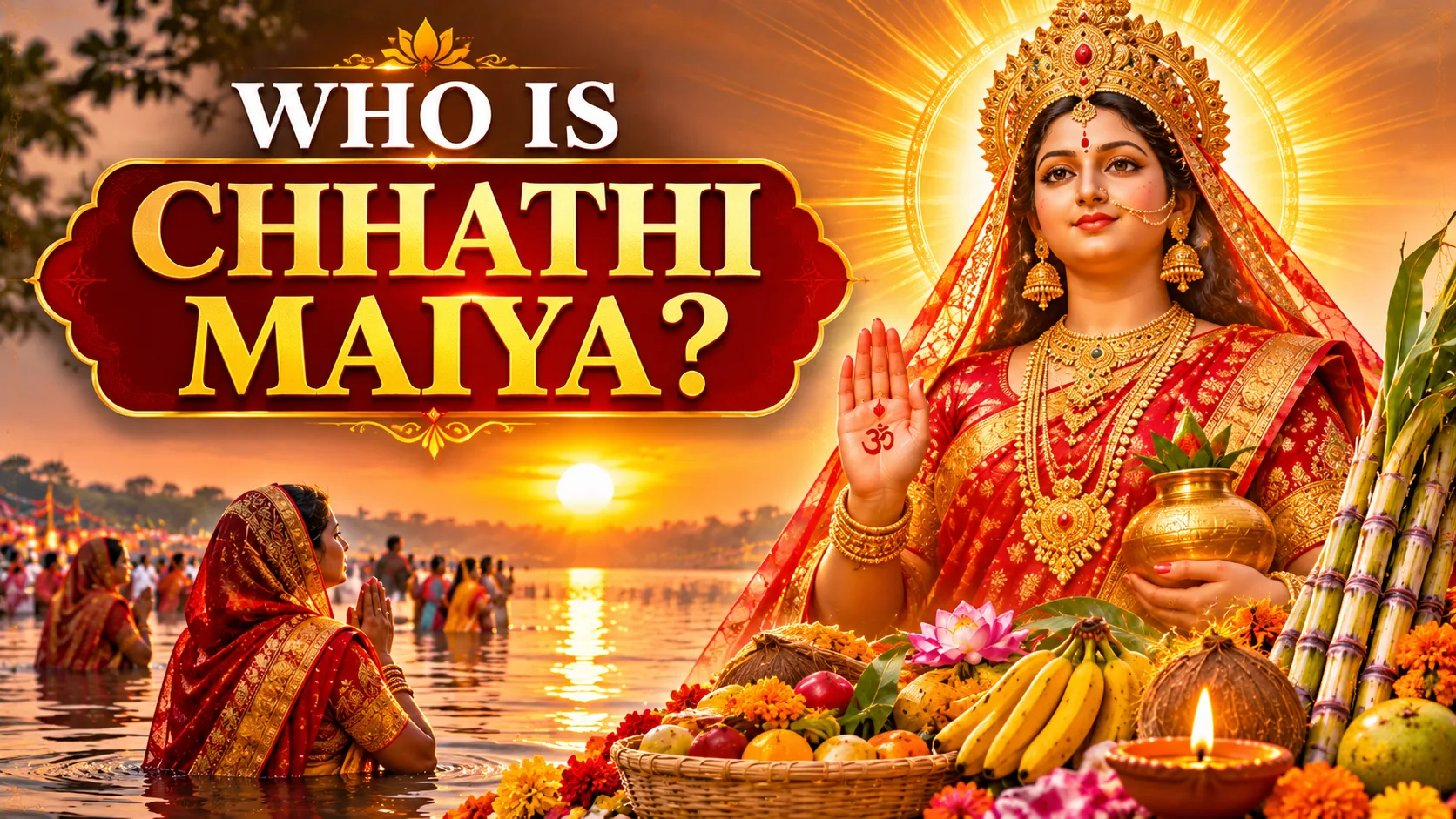
Chhathi Maiya is a revered mother goddess worshipped during Chhath Puja, one of the most important religious festivals in Bihar, Jharkhand, eastern Uttar Pradesh, and parts of Nepal. Devotees seek her blessings for the health, protection, long life, and prosperity of their children and families.
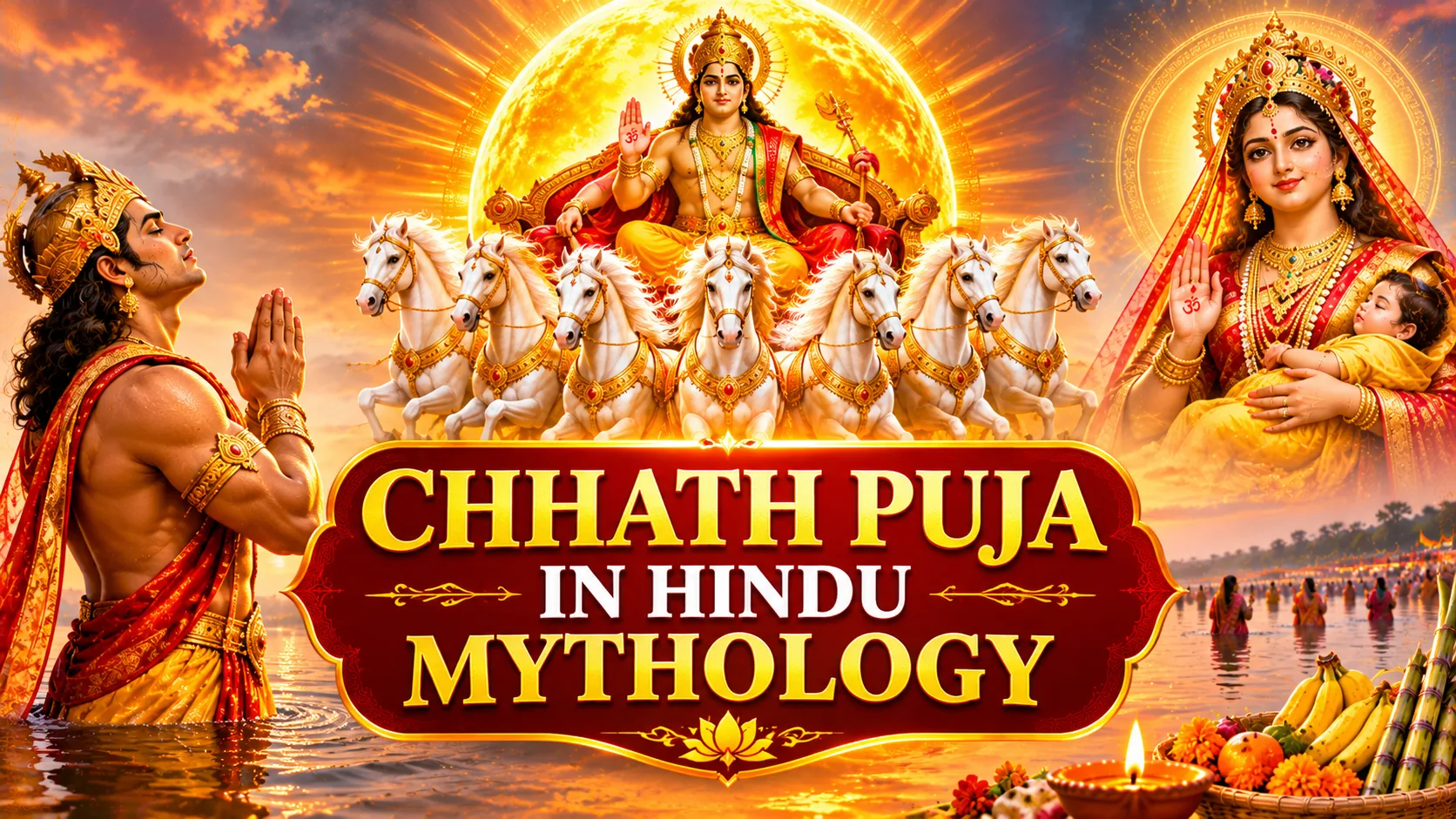
She is commonly associated with Goddess Shashthi (षष्ठी देवी), a divine figure traditionally connected with childbirth, motherhood, fertility, and the protection of children. In several regional traditions, Chhathi Maiya is also regarded as the sister of Surya Dev, the Sun God.
Although Surya Dev receives the principal offerings during Chhath Puja, Chhathi Maiya holds an equally meaningful place in the devotion of millions of families. Her worship represents maternal protection, family welfare, and faith in divine blessings.
But who exactly is Chhathi Maiya? Is she the sister of Surya Dev, the wife of Lord Kartikeya, or another manifestation of the divine feminine?
Understanding her identity requires exploring Hindu mythology, Puranic traditions, and the regional beliefs that have shaped Chhath Puja.
1. Who Is Chhathi Maiya in Hindu Mythology?
Chhathi Maiya is widely associated with Goddess Shashthi, whose name comes from the Sanskrit word Shashthi, meaning the sixth.
The word Maiya is an affectionate term for mother. Therefore, Chhathi Maiya can be understood as the Mother Goddess associated with the sixth day.
In Hindu religious traditions, Shashthi Devi is worshipped as a protector of children and a guardian of motherhood. Devotees traditionally seek her blessings for:
- Safe childbirth and maternal well-being.
- The health and long life of children.
- Fertility and family prosperity.
- Protection of newborn babies.
- Happiness and harmony within the family.
Her identity is particularly significant in communities where Chhath Puja is deeply rooted in everyday religious and cultural life.
Connection with Goddess Shashthi
The association between Chhathi Maiya and Shashthi Devi is one of the most important explanations of her identity.
In the Brahmavaivarta Purana, Shashthi Devi is described as the sixth part or manifestation of Prakriti, the primordial divine feminine principle.
She is also associated with Devasena, the wife of Lord Kartikeya, the son of Lord Shiva and Goddess Parvati.
Her connection with children and childbirth explains why devotees worship her for the well-being of their families.
It is important to understand that Chhathi Maiya's identity is expressed differently across regional traditions. The association with Shashthi Devi is prominent in Puranic explanations, while local devotional beliefs also describe her through other divine relationships.
2. Is Chhathi Maiya the Sister of Surya Dev?
One of the most widely known beliefs in Bihar and eastern Uttar Pradesh is that Chhathi Maiya is the sister of Surya Dev.
This relationship is particularly important in the regional devotional traditions of Chhath Puja.
Surya Dev represents the life-giving power of the Sun, while Chhathi Maiya is worshipped as a protective maternal figure who blesses children and families.
This belief helps explain why devotees worship both divine figures during the festival.
However, Hindu religious traditions do not provide one universally accepted family relationship for Chhathi Maiya across every region and text.
Different explanations include:
| Traditional identity | Religious association |
|---|---|
| Shashthi Devi | Protector of children and motherhood |
| Sister of Surya Dev | Popular regional belief, particularly in Bihar |
| Devasena | Associated with Lord Kartikeya |
| Usha | Associated with dawn and solar worship in some interpretations |
These associations should not be treated as identical descriptions found in every Hindu scripture. They represent different mythological and regional interpretations of the goddess.
Connection with Usha and Pratyusha
Some explanations of Chhath Puja also connect the festival with Usha and Pratyusha, divine figures associated with dawn and the early morning.
The worship of the rising and setting Sun is central to Chhath Puja. These solar associations help explain the symbolic importance of sunrise and sunset in the festival.
Nevertheless, Usha and Pratyusha should not automatically be treated as alternative names for Chhathi Maiya in every tradition.
3. The Story of King Priyavrat and Goddess Shashthi
One of the most significant mythological stories associated with Goddess Shashthi explains her role as the protector of children.
This story is traditionally associated with the Devi Bhagavata Purana.
The Story of King Priyavrat and Queen Malini
According to the traditional account, King Priyavrat and his wife, Queen Malini, were unable to have a child for a long time.
They performed religious observances and a Putrakameshti Yajna, a ritual traditionally associated with the desire for children.
Eventually, Queen Malini gave birth to a child. However, the child was born lifeless, leaving the royal couple deeply distressed.
At that moment, a divine goddess appeared.
She identified herself as Devasena, also known as Shashthi Devi, and explained her divine nature and connection with the protection of children.
Moved by the family's suffering, the goddess blessed the child and restored its life according to the traditional story.
The king and queen expressed their gratitude and began worshipping the goddess.
The story explains why Shashthi Devi became closely associated with childbirth, children's well-being, and family prosperity.
Why Is This Story Important?
The story is significant because it highlights three central aspects of Shashthi Devi's worship:
- Motherhood: She is revered as a divine maternal presence.
- Child protection: Families seek her blessings for their children's well-being.
- Family prosperity: Her worship represents hope, continuity, and happiness within the family.
This is a religious narrative expressing traditional beliefs, rather than a historically documented event.
4. Why Is Chhathi Maiya Worshipped During Chhath Puja?
Chhath Puja is traditionally dedicated to Surya Dev and Chhathi Maiya.
While devotees offer Arghya to the Sun, they also remember the mother goddess and seek her blessings for their families.
Her worship is especially associated with the protection of children and the well-being of future generations.
Protection of Children
One of the strongest reasons families worship Chhathi Maiya is their desire for the health, happiness, and long life of their children.
Devotees believe that her blessings provide divine protection and maternal care.
Blessings for Motherhood
Chhathi Maiya is associated with fertility, childbirth, and motherhood.
Families pray to her for the happiness of mothers and the well-being of newborn children.
Family Happiness and Prosperity
The goddess is also worshipped for peace, harmony, and prosperity within the household.
Chhath Puja provides families with an opportunity to express gratitude, renew their devotion, and participate in traditions passed down through generations.
The Importance of Arghya
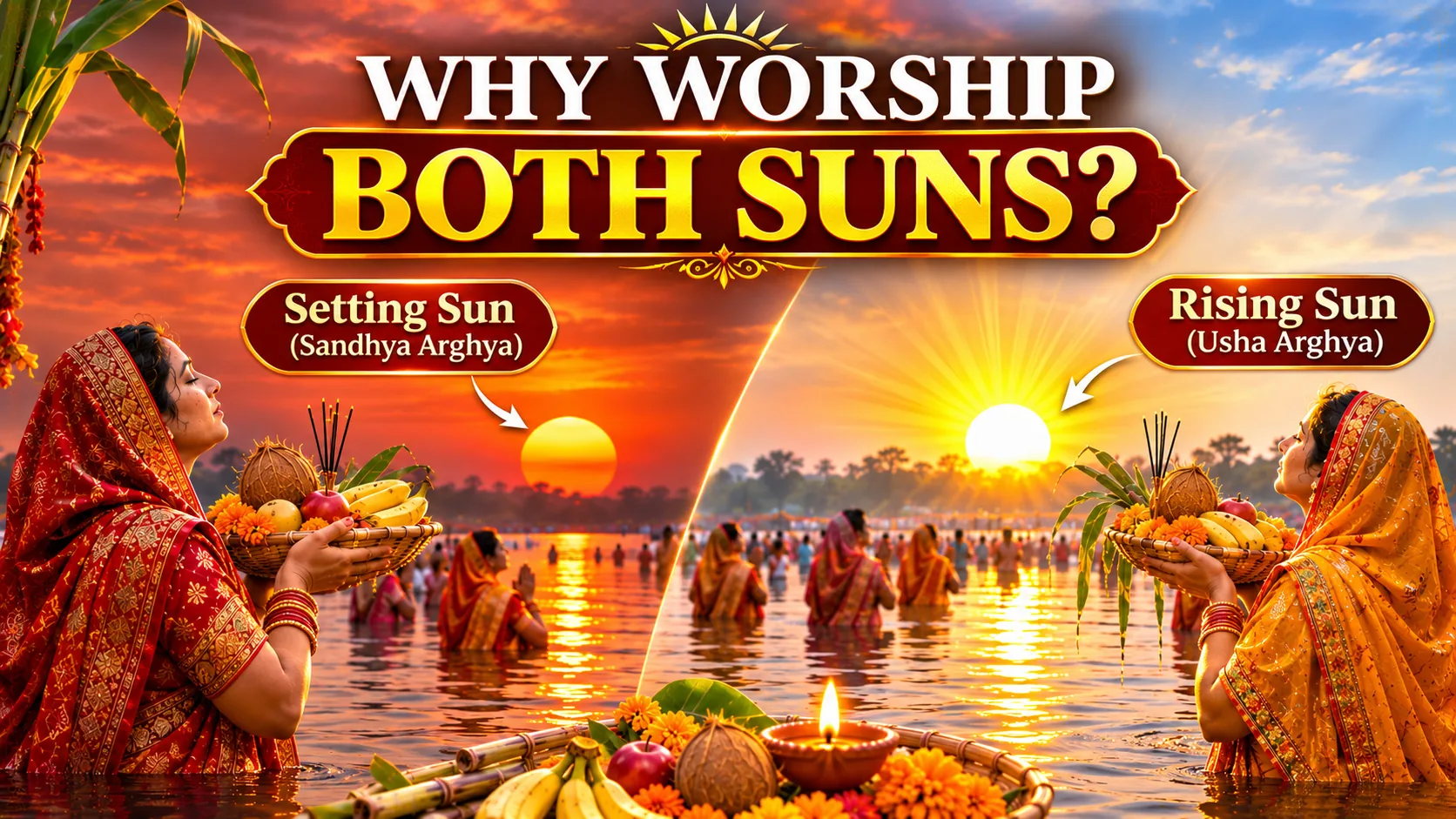
During Chhath Puja, devotees offer Arghya to the setting Sun on the third day and the rising Sun on the fourth day.
Although these offerings are primarily directed towards Surya Dev, prayers and devotional songs also invoke Chhathi Maiya.
This combination of solar worship and maternal devotion gives the festival its distinctive religious character.
5. How Is Chhathi Maiya Worshipped During Chhath Puja?
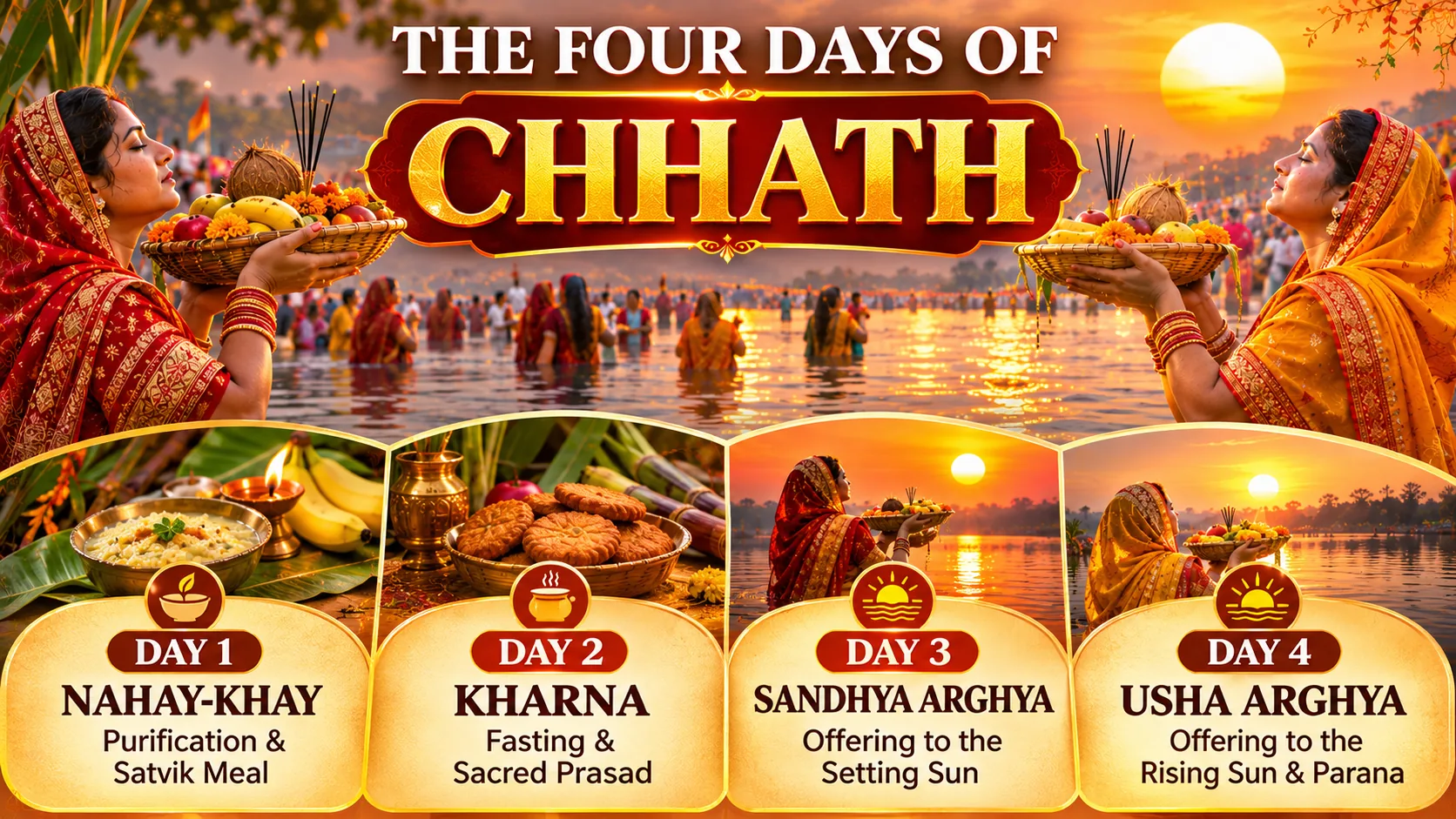
Chhathi Maiya is worshipped throughout the four-day observance of Chhath Puja.
The festival involves fasting, cleanliness, traditional offerings, prayers, and visits to rivers and other water bodies.
Nahay Khay
The first day begins with ritual bathing and cleaning the home.
Devotees prepare traditional food and begin their observance with a commitment to cleanliness and discipline.
Kharna
On the second day, devotees observe a fast and traditionally break it after sunset following prayers.
Offerings commonly include jaggery-based kheer, roti, and other traditional preparations.
After Kharna, the main period of strict fasting begins for those observing the traditional Nirjala Vrat.
Sandhya Arghya
The third day is dedicated to offering Arghya to the setting Sun.
Devotees gather at riverbanks, ponds, and other water bodies with bamboo baskets containing fruits, sugarcane, coconuts, and traditional Prasad.
Devotional songs invoking Surya Dev and Chhathi Maiya are sung during the rituals.
Usha Arghya
The fourth day begins before sunrise.
Devotees return to the ghats and offer Arghya to the rising Sun.
After completing the prayers, they perform Paran, marking the conclusion of the fast.
These rituals reflect devotion to Surya Dev and the maternal blessings associated with Chhathi Maiya.
6. Why Does Chhathi Maiya Hold a Special Place in Bihar and Eastern Uttar Pradesh?
Chhathi Maiya has a particularly strong cultural presence in Bihar, Jharkhand, eastern Uttar Pradesh, and Nepal's Terai region.
For many families, she is not simply a mythological figure but a deeply respected maternal deity.
Chhath Geet and Devotional Traditions
Traditional Chhath songs are an important part of the festival.
These songs invoke Chhathi Maiya, describe the devotion of families, and express prayers for children's health and family happiness.
They are commonly sung during the preparation of Prasad, visits to the ghats, and the evening and morning offerings.
A Festival That Connects Generations
Chhath Puja is often observed through family traditions passed from mothers and grandmothers to younger generations.
Children learn about Chhathi Maiya through devotional songs, stories, fasting traditions, and participation in the festival.
For people living away from their hometowns, Chhath Puja is also an important reason to return home and celebrate with their families.
The Symbol of Maternal Devotion
The worship of Chhathi Maiya represents the emotional and spiritual importance of motherhood.
Her association with children, fertility, and family welfare makes her particularly meaningful to devotees who observe Chhath Puja with faith and dedication.
Frequently Asked Questions About Chhathi Maiya
1. Who is Chhathi Maiya?
Chhathi Maiya is a mother goddess worshipped during Chhath Puja. She is commonly associated with Shashthi Devi and is revered for protecting children and blessing families.
2. Is Chhathi Maiya the sister of Surya Dev?
According to popular regional traditions, particularly in Bihar and eastern Uttar Pradesh, Chhathi Maiya is regarded as the sister of Surya Dev. Other mythological explanations associate her with Shashthi Devi and Devasena.
3. Is Chhathi Maiya and Shashthi Devi the same goddess?
Chhathi Maiya is widely associated with Shashthi Devi. Shashthi is traditionally worshipped as the protector of children, and her identity is an important part of the religious explanations of Chhath Puja.
4. Who is the husband of Goddess Shashthi?
In Puranic traditions, Shashthi Devi is identified with Devasena, the wife of Lord Kartikeya. However, regional explanations of Chhathi Maiya's identity vary.
5. Why do women worship Chhathi Maiya?
Women traditionally worship Chhathi Maiya for the well-being, health, and long life of their children, as well as blessings associated with motherhood and family prosperity. Chhath Puja itself is observed by devotees of different genders.
6. What is the story of King Priyavrat and Chhathi Maiya?
According to a traditional account associated with the Devi Bhagavata Purana, Goddess Shashthi appeared before King Priyavrat and Queen Malini after their child was born lifeless. The goddess restored the child's life, establishing her association with children's protection.
7. Why is Chhathi Maiya worshipped along with Surya Dev?
Surya Dev represents the life-giving energy of the Sun, while Chhathi Maiya is associated with maternal protection and family welfare. Their worship together reflects the two important devotional aspects of Chhath Puja.
The Simple Answer
Chhathi Maiya is a revered mother goddess worshipped during Chhath Puja for the protection, health, and prosperity of children and families.
She is widely associated with Goddess Shashthi, who is described in Hindu religious traditions as a divine protector of children and motherhood. In popular regional beliefs, especially in Bihar and eastern Uttar Pradesh, she is also regarded as the sister of Surya Dev.
The story of King Priyavrat and Queen Malini further explains her association with childbirth and children's well-being.
For millions of devotees, Chhathi Maiya represents maternal love, divine protection, family happiness, and the power of faith.
During Chhath Puja, when devotees stand in rivers and offer Arghya to the setting and rising Sun, their prayers to Chhathi Maiya express a deeply personal hope: may their children remain healthy, their families remain happy, and their homes always receive divine blessings.
Pilgrim Resources
Enhance Your Pilgrimage Experience
Mobile App
Download AppRead Kumbh Guides on Mobile
Download Divya Kripa to read all official guides offline, receive real-time snan alerts, and access GPS-enabled navigation on the ground.
AI Assistant
Try AI PlannerPersonalized Planner & Guide
Access your Kumbh Planner AI Assistant to receive tailored ritual advice, customized itineraries, and instant answers to spiritual questions.
More Stories
Related Articles
Loading discussion & reviews...