All Blog Posts
CultureHistoryAwareness
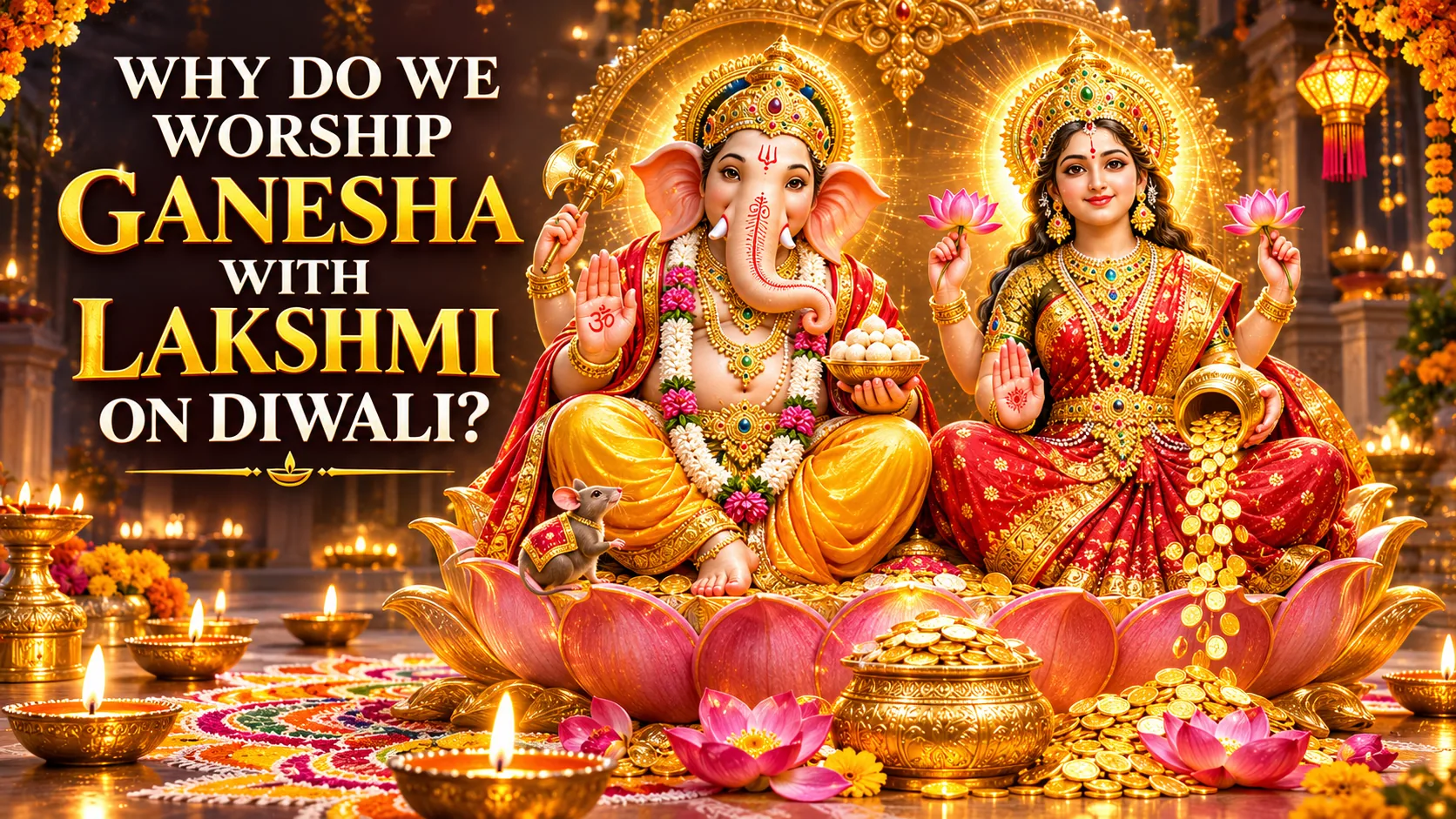
Why Do We Worship Lord Ganesha Along with Goddess Lakshmi During Diwali? The Story and Spiritual Significance
K
Kumbh AdminNovember 12, 20269 min readDuring Diwali, devotees worship Goddess Lakshmi, the goddess of wealth and prosperity, along with Lord Ganesha, the remover of obstacles and god of wisdom. But why are these two deities worshipped together? Discover the traditional stories, beliefs and spiritual meaning behind this important Diwali ritual.
Diwali, the festival of lights, is one of the most important celebrations in Hinduism. Homes are decorated with diyas, colourful rangolis and flowers, while families welcome prosperity, happiness and new beginnings. Among the many traditions associated with Diwali, one of the most significant is the worship of Goddess Lakshmi along with Lord Ganesha.
Goddess Lakshmi is revered as the goddess of wealth, prosperity, fortune and abundance, while Lord Ganesha is worshipped as the remover of obstacles and the god of wisdom, intelligence and auspicious beginnings.
But an interesting question arises: If Goddess Lakshmi is herself the goddess of wealth and prosperity, why is Lord Ganesha worshipped alongside her during Diwali?
What is the story behind this tradition? Is there a mythological connection between these two deities?
The tradition carries a beautiful spiritual message about the relationship between wealth and wisdom. Let us explore the stories, beliefs and significance behind Lakshmi-Ganesha Puja.
The Popular Story Behind Worshipping Goddess Lakshmi with Lord Ganesha
There are different traditional explanations for worshipping Goddess Lakshmi and Lord Ganesha together. One popular story describes how Goddess Lakshmi once became proud of her immense wealth, beauty and divine powers.
According to this traditional narrative, Goddess Lakshmi believed that she was the source of prosperity and happiness in the universe. She felt that everyone desired her blessings because wealth was essential for worldly life.
When Lord Vishnu noticed her growing pride, he decided to teach her an important lesson.
He explained that wealth alone could not make someone truly complete. A person's life also required wisdom, understanding and the ability to make the right decisions.
He further suggested that motherhood was one of the greatest blessings and that Lakshmi, despite being the goddess of prosperity, did not have a child of her own in this popular version of the story.
Hearing this, Goddess Lakshmi felt disappointed and approached Goddess Parvati, who had two sons, Lord Ganesha and Lord Kartikeya.
Lakshmi expressed her wish to experience motherhood. Understanding her feelings, Goddess Parvati offered Lord Ganesha to Lakshmi as her adopted son in this devotional folk narrative.
Goddess Lakshmi became delighted and lovingly accepted Ganesha.
She declared that anyone who worshipped her but did not worship Ganesha would not receive her complete blessings.
Since then, according to this popular traditional explanation, Goddess Lakshmi and Lord Ganesha have been worshipped together to seek wealth, wisdom and prosperity.
This story is popularly narrated to explain their association during Diwali, although versions differ and it should not be understood as a single universally established scriptural account.
Why Are Wealth and Wisdom Both Important?
Beyond the mythological stories, the worship of Goddess Lakshmi and Lord Ganesha together represents a deeper philosophy of life.
Goddess Lakshmi symbolizes material prosperity, financial stability, good fortune and abundance. Lord Ganesha represents wisdom, intelligence, knowledge and the ability to overcome difficulties.
Their combined worship teaches that wealth without wisdom can become a source of problems rather than happiness.
Imagine a person who receives enormous wealth but does not know how to manage it. Without proper judgment, discipline and understanding, that wealth can quickly be wasted.
Similarly, intelligence without resources may make it difficult to fulfil certain responsibilities and ambitions.
The combination of Lakshmi and Ganesha represents the importance of having both the resources to live comfortably and the wisdom to use them responsibly.
Their worship reminds devotees of three important principles:
- Wealth: Goddess Lakshmi blesses people with prosperity, abundance and financial well-being.
- Wisdom: Lord Ganesha provides intelligence, understanding and the ability to make thoughtful decisions.
- Auspicious Beginnings: Lord Ganesha is worshipped before important activities to seek the removal of obstacles and a successful beginning.
Together, they symbolize a balanced and prosperous life.
Why Is Lord Ganesha Worshipped First During Lakshmi Puja?
In Hindu traditions, Lord Ganesha is known as Vighnaharta, meaning the remover of obstacles, and Pratham Pujya, meaning the deity who is traditionally worshipped first.
Before beginning an important religious ceremony, business activity, journey or new venture, devotees commonly offer prayers to Lord Ganesha.
The same tradition is followed during Diwali Lakshmi Puja.
Although Goddess Lakshmi is the principal deity associated with wealth and prosperity during the ceremony, Lord Ganesha is generally worshipped first.
The reason is deeply connected with his divine role.
Ganesha is believed to remove obstacles, provide clarity and bless devotees with the wisdom needed to achieve their goals.
Worshipping him before Goddess Lakshmi symbolizes the belief that prosperity should enter a home with wisdom, discipline and positive intentions.
It also reflects the broader Hindu tradition of seeking Ganesha's blessings before beginning auspicious activities.
The Spiritual Significance of Lakshmi-Ganesha Puja on Diwali
Lakshmi-Ganesha Puja is not simply a ritual for attracting wealth. It represents a complete approach to living a prosperous and meaningful life.
1. Wealth Should Be Accompanied by Wisdom
Money alone cannot guarantee happiness. Lord Ganesha represents the wisdom required to earn, manage and use wealth responsibly.
2. Prosperity Should Bring Happiness
Goddess Lakshmi represents abundance and good fortune. Her worship reminds people to appreciate the blessings they receive and share prosperity with others.
3. Remove Obstacles Before Seeking Success
Ganesha's role as Vighnaharta reminds devotees that challenges must be addressed with patience, intelligence and determination.
4. Balance Material and Spiritual Life
Lakshmi represents material well-being, while Ganesha represents knowledge and wisdom. Their combined worship encourages balance between worldly responsibilities and spiritual values.
5. Welcome Positive Beginnings
Diwali marks the beginning of new hopes and opportunities for many families and businesses. Worshipping both deities symbolizes prayers for a successful and prosperous future.
How Is Lakshmi-Ganesha Puja Performed During Diwali?
Lakshmi-Ganesha Puja is one of the most important rituals performed on Diwali evening.
Families clean and decorate their homes, light diyas and prepare their puja spaces to welcome divine blessings.
The traditional ceremony generally includes the following steps:
1. Cleaning and Decorating the Home
Before Diwali, families clean their homes and decorate entrances with rangoli, flowers and lights.
Traditional beliefs associate cleanliness and an inviting environment with welcoming Goddess Lakshmi.
2. Placing the Idols of Lakshmi and Ganesha
Idols or pictures of Goddess Lakshmi and Lord Ganesha are placed on a clean platform.
In many traditions, Lord Ganesha is positioned to the left of Goddess Lakshmi from the devotee's perspective.
3. Offering Traditional Items
Devotees offer flowers, fruits, sweets, incense, rice grains, turmeric, kumkum and other traditional puja materials.
Modaks and laddoos are particularly associated with Lord Ganesha, while sweets and other offerings are presented to Goddess Lakshmi.
4. Worshipping Lord Ganesha First
The puja traditionally begins with prayers to Lord Ganesha.
Devotees seek his blessings for wisdom, success and the removal of obstacles.
5. Performing Goddess Lakshmi Puja
After Ganesha Puja, devotees worship Goddess Lakshmi and pray for prosperity, happiness, financial stability and well-being.
Many families also worship their account books, business records, coins and valuables as part of their Diwali traditions.
6. Lighting Diyas and Performing Aarti
The ceremony concludes with the lighting of diyas and the recitation of devotional prayers and aarti.
Families pray together and seek blessings for peace, prosperity and happiness throughout the coming year.
Why Are New Account Books and Money Worshipped During Diwali?
Diwali is particularly important for business communities across India.
Many traders, shopkeepers and business owners perform Chopda Pujan or Sharda Puja during Diwali, especially in Gujarat and parts of western India.
New account books, financial records, calculators and business-related items are worshipped as a symbol of a fresh beginning.
This tradition is closely connected with Goddess Lakshmi, who represents wealth and prosperity, and Lord Ganesha, who represents wisdom and successful beginnings.
The ritual reflects the hope that the coming financial year will bring growth, stability and success.
It also carries an important message: earning wealth is valuable, but managing it honestly and wisely is equally important.
Frequently Asked Questions About Lakshmi-Ganesha Puja
1. Why do we worship Lord Ganesha with Goddess Lakshmi on Diwali?
Goddess Lakshmi represents wealth and prosperity, while Lord Ganesha represents wisdom and the removal of obstacles. Their combined worship symbolizes the importance of having both wealth and wisdom for a happy and successful life.
2. Is Lord Ganesha the son of Goddess Lakshmi?
According to a popular devotional folk narrative, Goddess Lakshmi accepted Lord Ganesha as her adopted son after expressing her wish for motherhood to Goddess Parvati. However, this is not a universally established account of their relationship in Hindu scriptures.
3. Why is Lord Ganesha worshipped before Goddess Lakshmi?
Lord Ganesha is known as Pratham Pujya and Vighnaharta. He is traditionally worshipped first to seek the removal of obstacles and blessings for an auspicious beginning.
4. What does Goddess Lakshmi represent during Diwali?
Goddess Lakshmi represents wealth, prosperity, abundance, fortune and well-being. Devotees worship her during Diwali to seek blessings for a prosperous household.
5. What does Lord Ganesha represent in Lakshmi Puja?
Lord Ganesha represents wisdom, intelligence, knowledge, good judgment and the removal of obstacles. His worship emphasizes the importance of using wealth responsibly.
6. Which direction should Lakshmi and Ganesha idols face during Diwali Puja?
In many household traditions, the idols are placed facing east or west depending on the arrangement of the puja space, with devotees facing the deities during worship. Specific arrangements may vary according to family and regional customs.
7. What is the significance of Chopda Pujan during Diwali?
Chopda Pujan is the traditional worship of new account books and business records, particularly popular among Gujarati business communities. It symbolizes a fresh financial beginning and prayers for prosperity.
Conclusion
The tradition of worshipping Goddess Lakshmi along with Lord Ganesha during Diwali carries a beautiful message that goes beyond material prosperity.
Goddess Lakshmi blesses devotees with wealth, abundance and good fortune, while Lord Ganesha represents the wisdom needed to use those blessings properly.
The popular story connecting Lakshmi and Ganesha reminds us that prosperity becomes meaningful when it is accompanied by intelligence, humility and good judgment.
This Diwali, as families light diyas and perform Lakshmi-Ganesha Puja, the deeper message is worth remembering: true prosperity is not simply about how much wealth we possess, but how wisely, honestly and compassionately we use it.
May Goddess Lakshmi bless every home with prosperity, and may Lord Ganesha remove obstacles and fill every life with wisdom and happiness.
Pilgrim Resources
Enhance Your Pilgrimage Experience
Mobile App
Download AppRead Kumbh Guides on Mobile
Download Divya Kripa to read all official guides offline, receive real-time snan alerts, and access GPS-enabled navigation on the ground.
AI Assistant
Try AI PlannerPersonalized Planner & Guide
Access your Kumbh Planner AI Assistant to receive tailored ritual advice, customized itineraries, and instant answers to spiritual questions.
More Stories Awareness
 Awareness
 Spirituality
Related Articles
Smart Crowd Management at Kumbh Mela: How Digital Twins Could Transform Crowd Safety and Planning
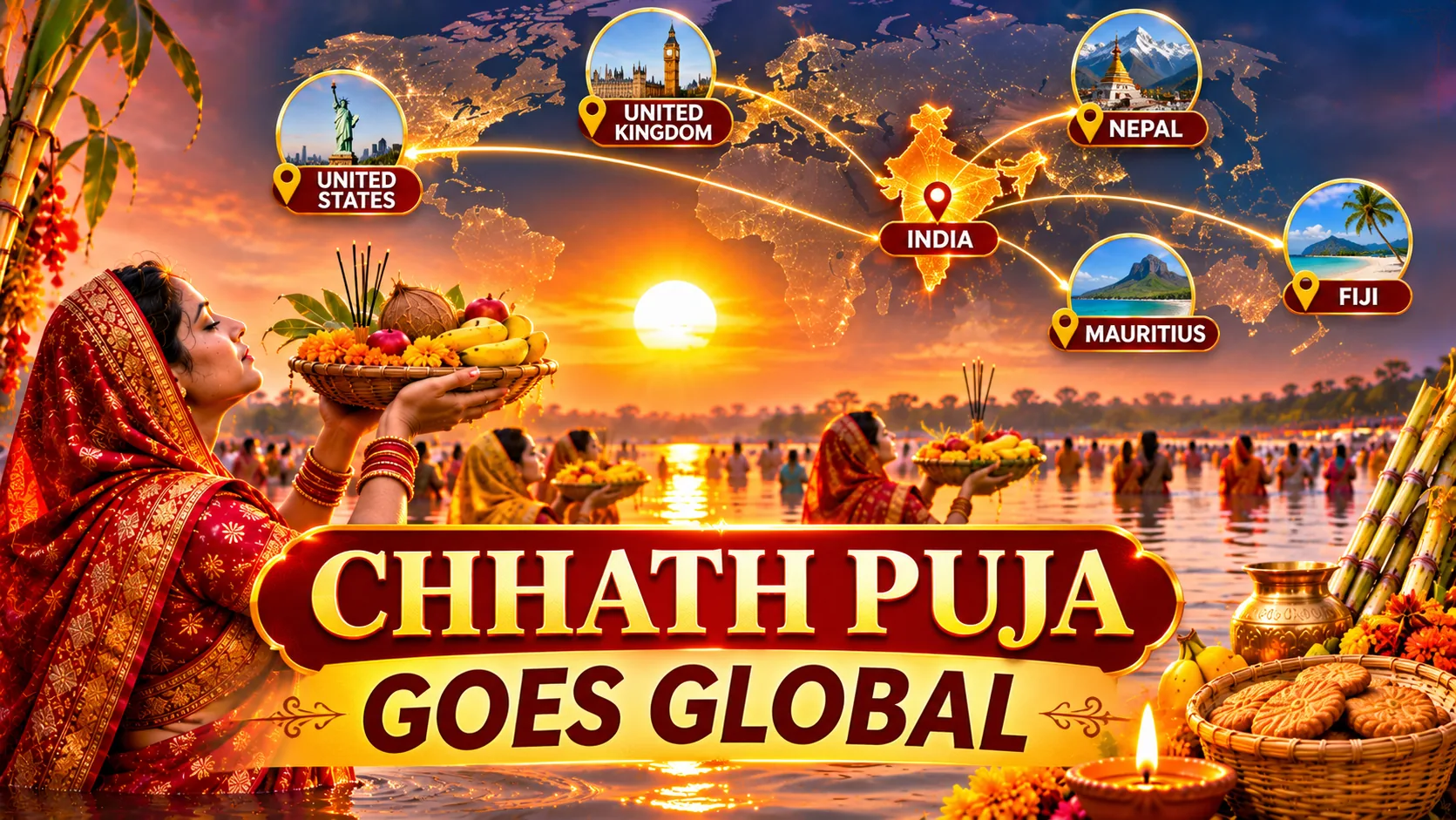
Nov 20, 2026Chhath Puja Across India and Around the World: Where and How Is It Celebrated?
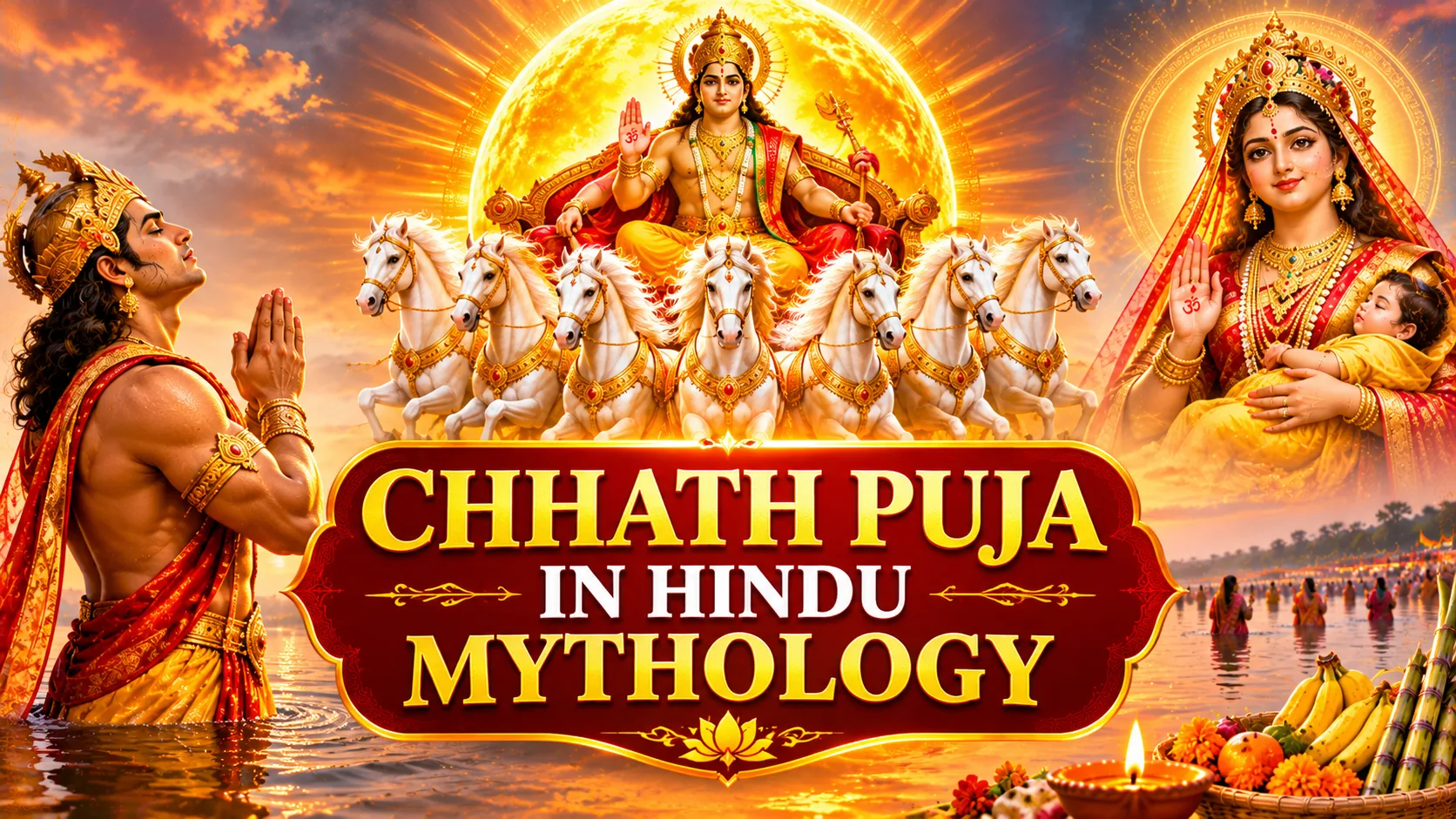
Nov 15, 2026Chhath Puja in Hindu Mythology: The Stories of Surya Dev, Chhathi Maiya and Ancient Traditions
Nov 15, 2026Loading discussion & reviews...